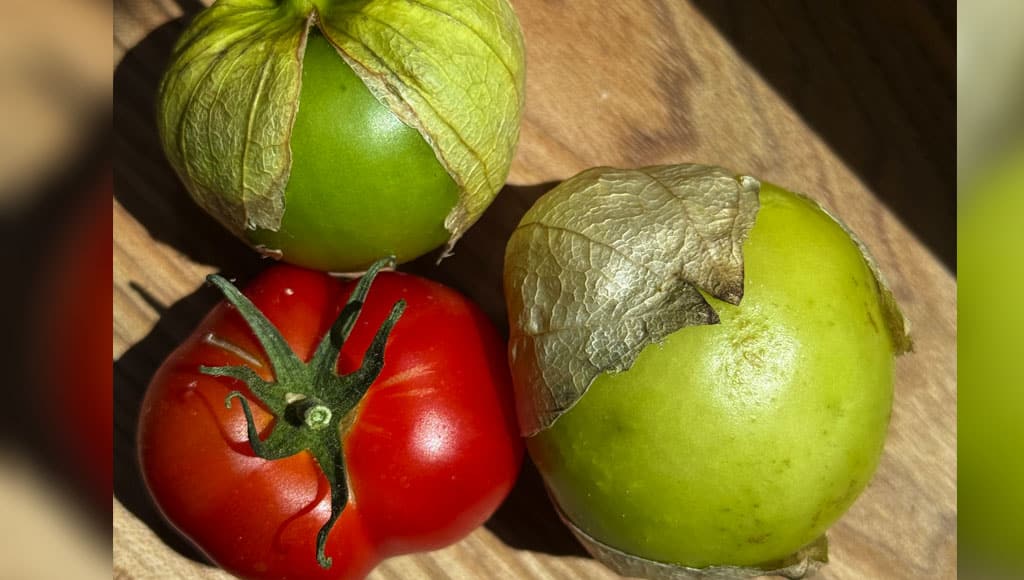
My introduction to tomatillos happened by chance. The seed supplier included a few surprise packets as a thank you for my online purchase. One of them was adorned with the drawings of the little red tomatoes and marketed as tomatillo.
Glancing quickly through the parcel, I have not given a second thought to the spelling and attributed it to the peculiarities of the Latin languages. Tomato, I thought, and then proceeded to plant and care for these seeds as if I was growing tomatoes.
The alarm bells went off when these so-called tomatoes began an unstoppable conquest of the vegetable beds they were in. These plants were expanding in all directions with such speed and vigour that the only conclusion I could make was that they were trying to escape.
The ferocity with which they annexed the space from the neighbouring cucumbers compelled me to (literally) trim their enthusiasm and invoke the help of the plant identifier to check exactly what I was growing. It was then that the penny dropped; hello, tomatillo!
Later, I learned that these plants are self-seeding and are so vigorous that they are often planted to keep weeds away. Unpretentious as they are, tomatillos can make do in the seemingly untidy spaces, delivering year on year an abundance of harvest.
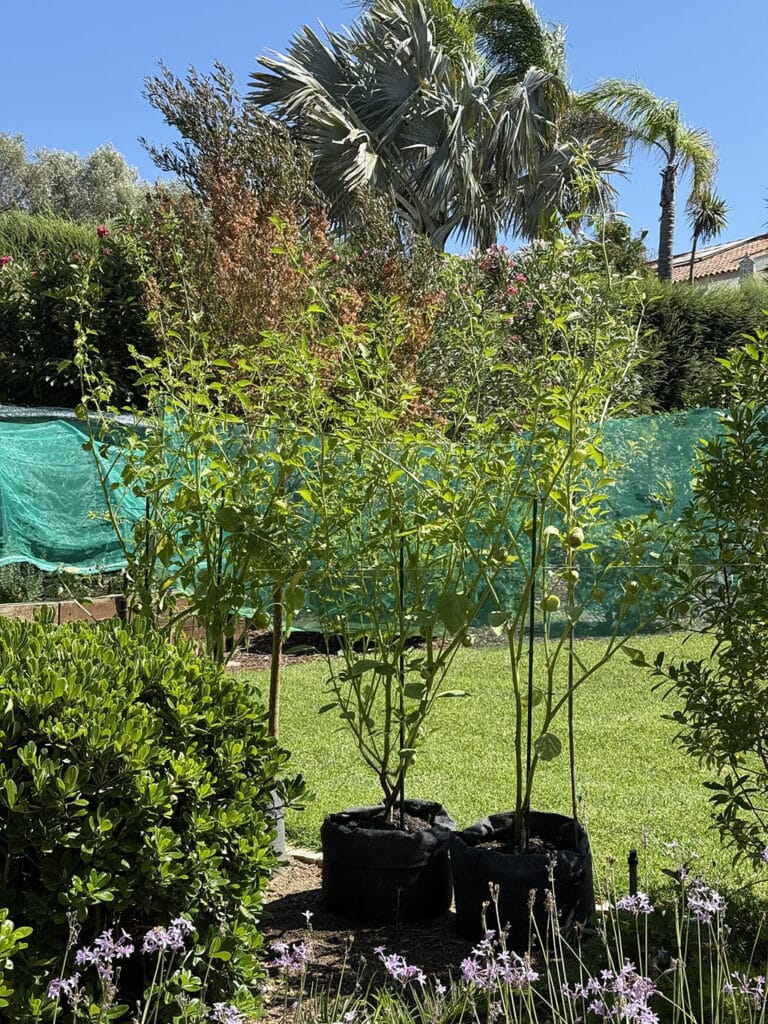
As soon as the tomatillo and I announced a truce, I began to appreciate the magic of their cultivation. Tomatillos produce their yields as husked fruits, similar to some other species of the nightshade (Solanaceae) family, like physalis.
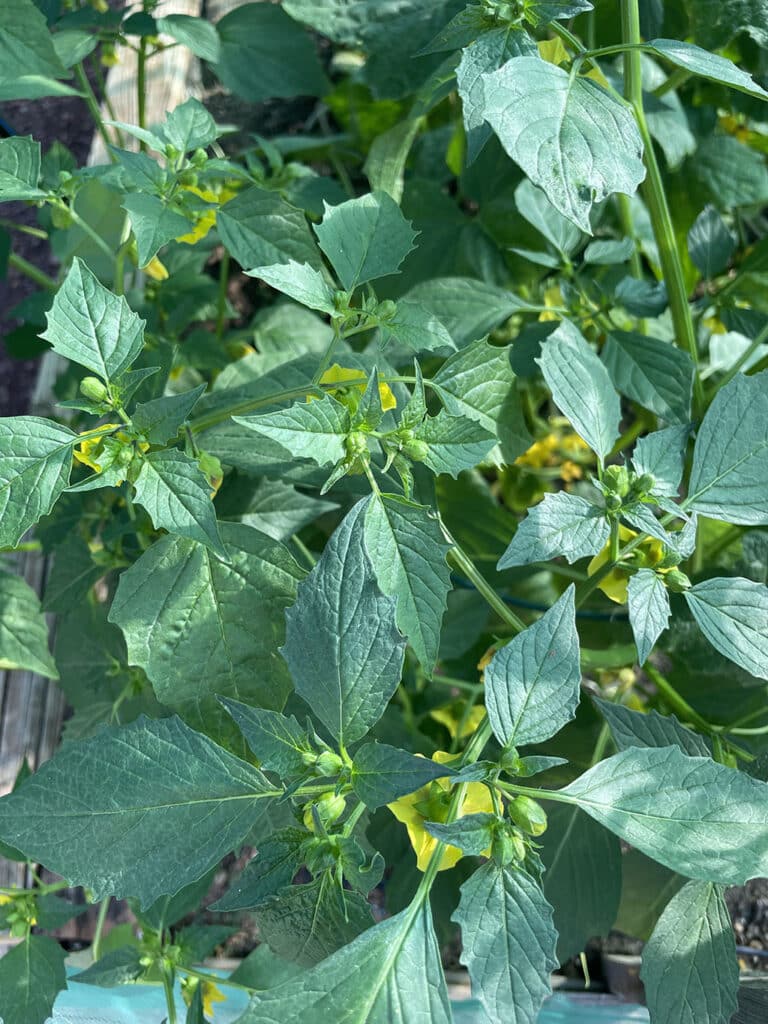
The journey begins when little Chinese lanterns start populating the branches. Over time, the lanterns swell up. They change shape from elongated to round. Their sides firm up and stretch over something solid inside. One day, a lantern cracks open, and a green, round bottom of a tomatillo fruit peeps outside.
As days go by, the fruit expands revealing more of itself, and the lantern slowly fades into a beautiful, fragile and dry lace that once used to protect the fruit. Most of the tomatillo varieties remain green, others acquire more unique shades of purple or yellow. Their fruits remain firm even when ripe, thus it is not easy to surmise when they should be picked.
Some gardeners suggest that fruits are ready when they come off with a gentle tug; others insist that they must drop off to the ground. In any scenario, tomatillos are well suited for cooking even if harvested early.
Beneath the glossy skin of the tomatillo fruit is a dense, cloudy white-green flesh that encases small white seeds. Tomatillos are sour and sweet, like a green apple, with bright citrusy notes and a dense, dry texture.
The name tomatillo translates to “little tomato”, which is botanically referred to as Physalis philadelphica. They are also known as green tomatoes, tomate verde, tomate de cáscara, tomate de fresadilla, husk tomatoes, jamberries, and miltomatl, the original Aztec name that is still used in Oaxaca.
It is quite likely that Aztecs were the earliest domesticators of the plant, circa 800 BCE or 900 BCE, however, its history began much earlier than that. Research has uncovered tomatillo fossils at the very southern tip of Argentina in Patagonia and these fossils date back a whopping 52 million years.
Discovered on the lake beds, it is believed that the fossils survived such drastic climate changes as the formation of the Andes mountains over 25 million years ago, and after enduring this transition, branched out into other nightshade species such as tomatoes, red peppers, and potatoes.
Tomatillos were brought to Europe as a result of Spanish conquests and, from there, they marched to India, Africa and Australia. Europeans did not take too well either to tomatillos or to tomatoes. The latter used to be called a ‘poison apple’ due to the fact that their juice would react with the lead plates of the European aristocracy. In Mexico, however, both have always been a staple.
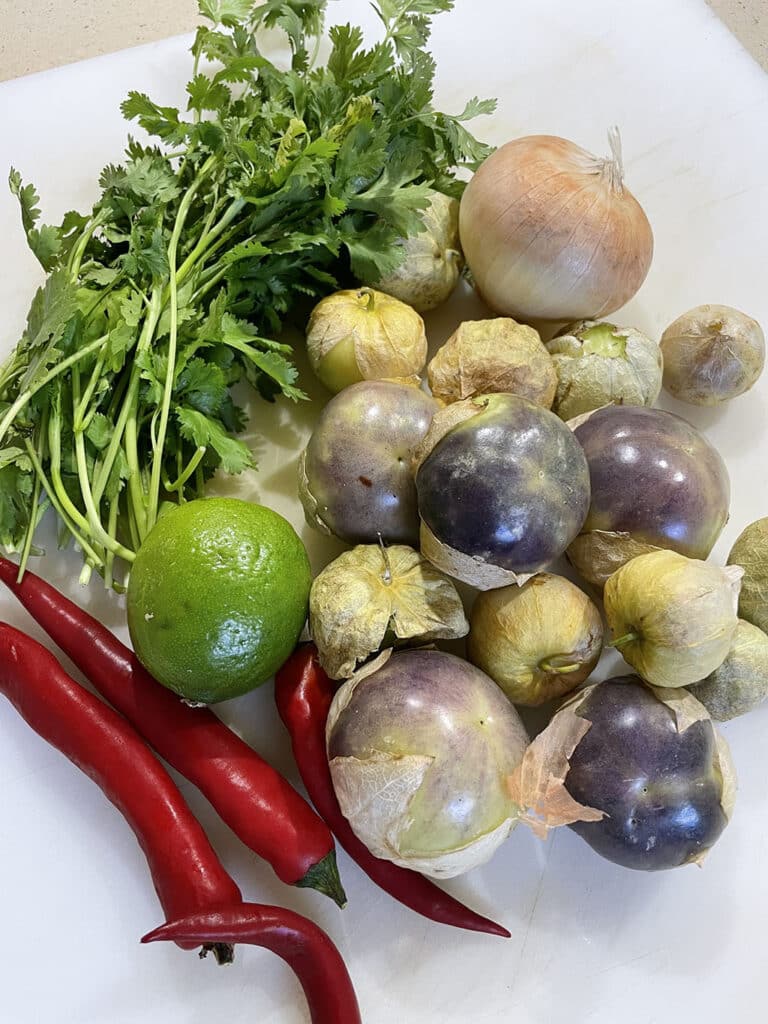
In contrast to tomatoes, tomatillos contain less sugar and offer a slightly more tart flavour. Traditionally, they can be incorporated into salsas, sauces, or jams. When used in a classical Mexican dish called salsa verde, their acidity helps tone down the hotness of chillies and the high levels of pectin work magic on the viscosity. Served with enchiladas, quesadillas, or fried chicken, the green salsa is a flavour bomb that makes everything it touches zing.
In addition, tomatillos often act as a topping, for instance, on arroz verde (green rice), chilaquiles verdes, huevos rancheros or, when halved and roasted, they can be served on the side of a protein of choice giving it an extra kick of acidity.
Gazpachos and chutneys are also a perfect way to use these magnificent fruits. They are a blessing to those who attempt gardening in Portugal for their heat resilience and ability to grow in full sun and low water conditions.
However, it is not only the flavour that tomatillos can be praised for. Tomatillos contain vitamins A, C, and K, which aid the immune function, vision, skin and bone health, collagen production, and blood clotting. They also contain niacin, potassium, manganese, and magnesium which are essential to nerve health, fluid balance, muscle contractions, cholesterol and carbohydrate metabolism, reduce inflammation, wound healing, energy production, and blood sugar and blood pressure regulation.
It is about time that Europeans rethink their position on these gorgeous fruits, don’t you think?