In the sixties, when privileged travellers were discovering the age of jet travel, two nations had already teamed up to create what was to become the world’s fastest airliner. Little did they realise then that it would take 14 long years to design, develop and build before commercial flights could be launched.
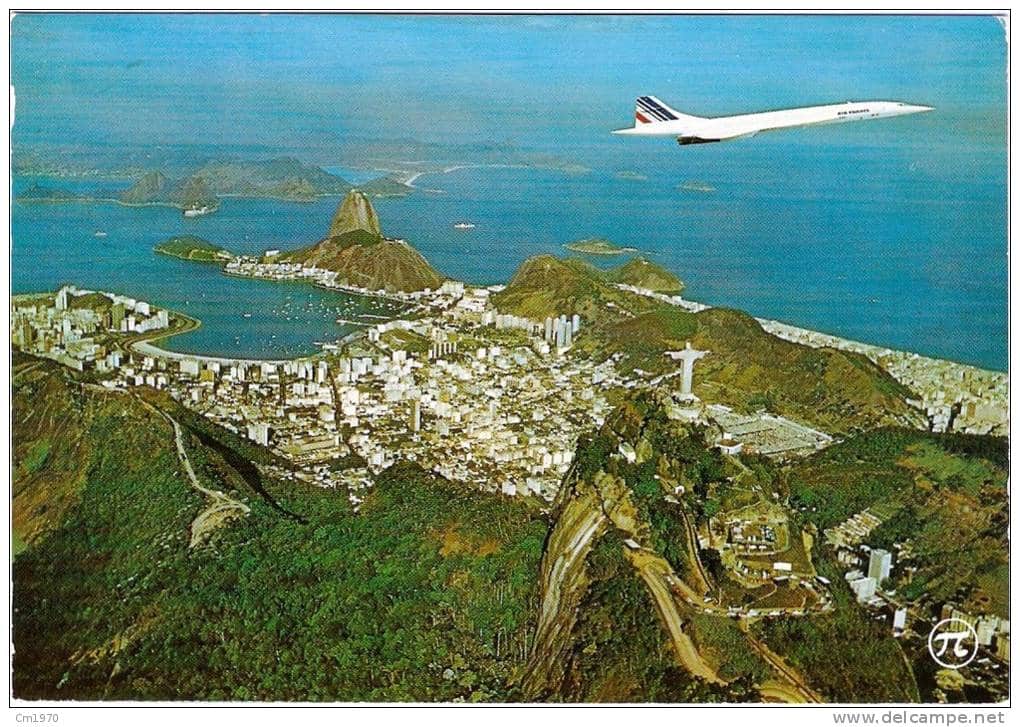
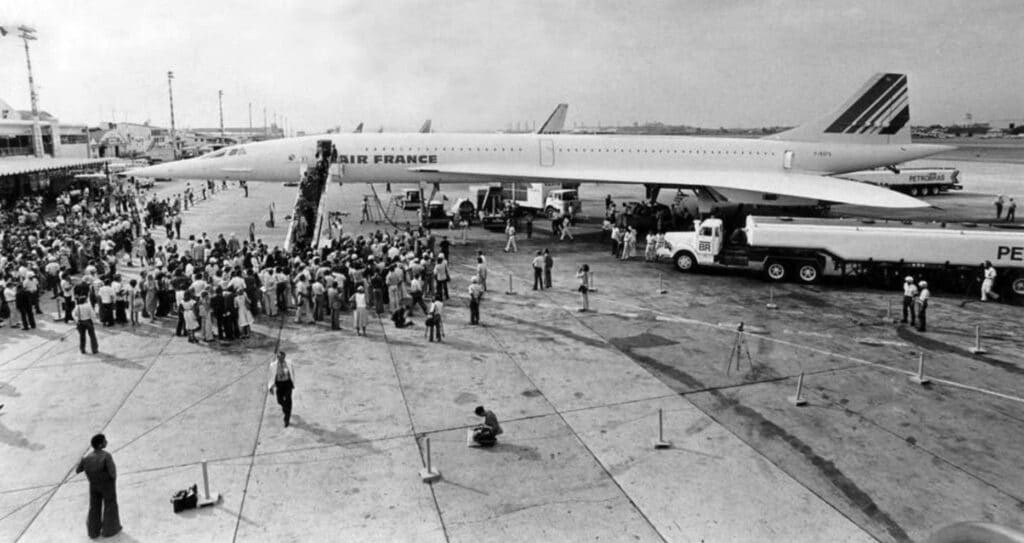
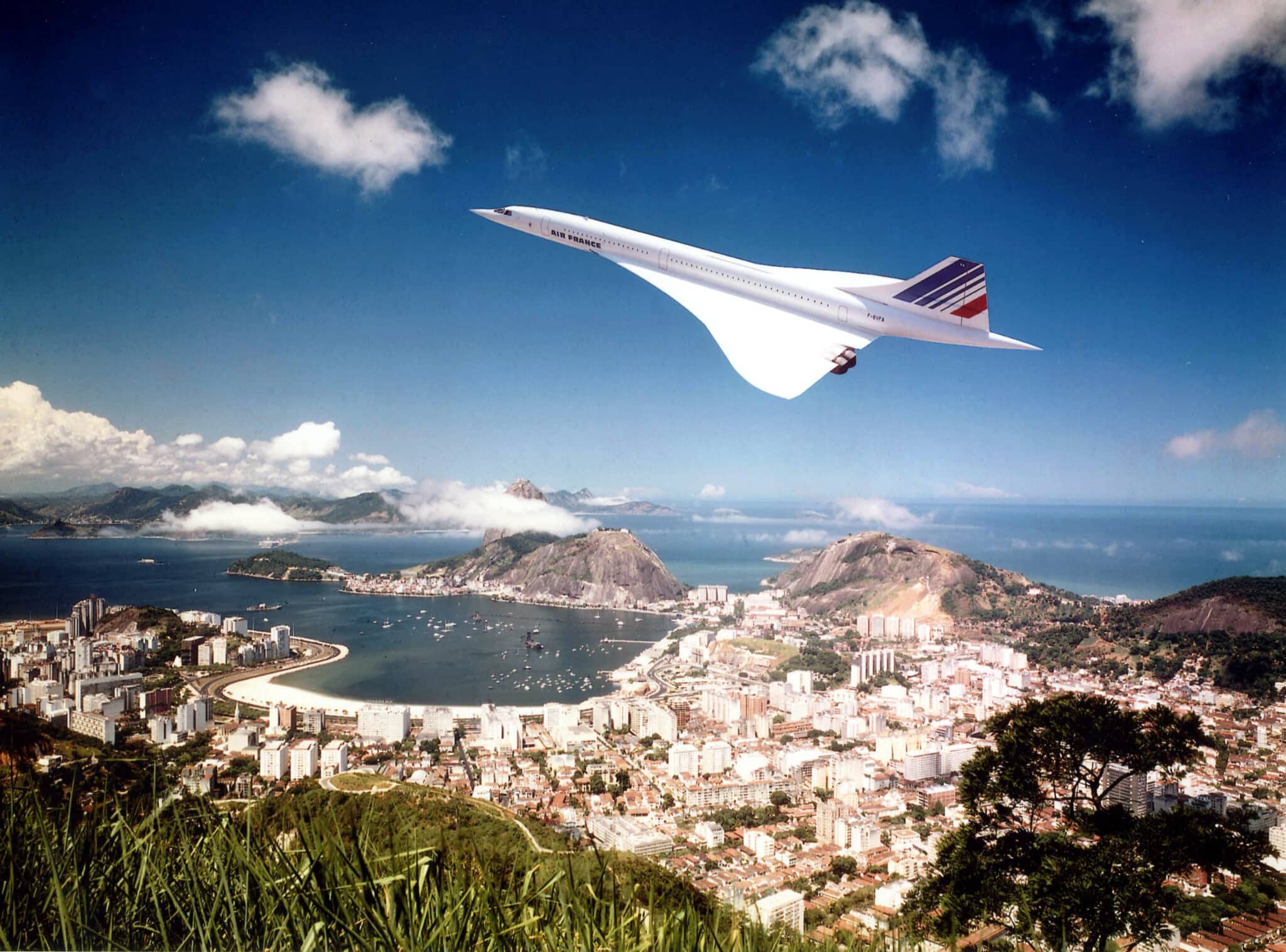
Rio de Janeiro was a prestige destination as early as the ‘50s using Lockheed Super Constellations (equipped with ‘sleeper berths’), so, for Air France’s inaugural Concorde flight on January 21, 1976, it seemed a logical choice. British Airways, on the other hand, chose to fly to Bahrain with its own share of VIPs and journalists.
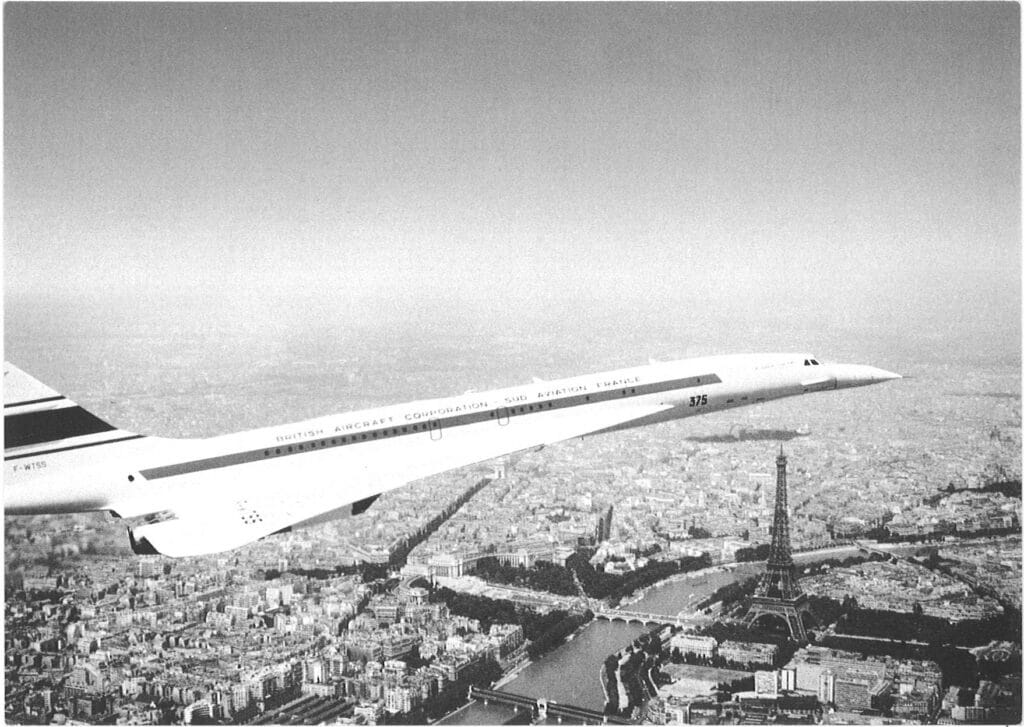
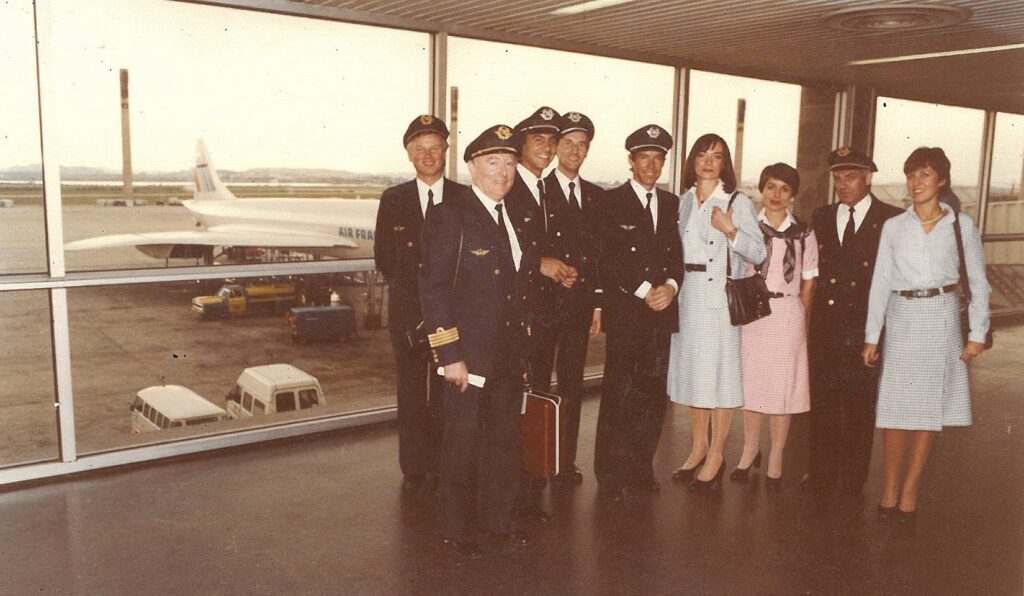
The two airlines had worked jointly to schedule take-offs of the two supersonic planes at precisely the same time, thanks mainly to a direct radio link between the two cockpits allowing Captain Norman Todd at Heathrow and Captain Pierre Chanoine at CDG airport to simulate a NASA-style countdown to take-off once on the runways.
Both planes had, exceptionally, two captains in the right seat. Brian Calvert acted as first officer and Pierre Dudal did likewise on the French plane. Incidentally, captain Dudal was the only pilot to have served as a fully-fledged AF pilot as well as a test pilot for Concorde at Aérospatiale. On an interesting side note, all post-war II pilots for both airlines had military careers, and most, if not all, were quickly promoted captains in the ‘50s.
The builders of Concorde were British Aircraft Corporation and Sud Aviation, later renamed Aérospatiale. The first two planes to be built were prototypes: F-WTSS and G-BSST (for the British plane). The very first test flight took place at Toulouse on March 2, 1969, involving F-WTSS. As concerns G-BSST, it accomplished its first test flight on April 9, 1969.
A further two Concordes were built, termed ‘pre-series’. These were refined versions and had a three-position droop nose function. By 1972, all four planes were involved in test-flying. In fact, President Pompidou was so keen to fly on Concorde that he decided to use one on December 12, 1971, to fly to Lajes airport in the Azores for an important meeting with President Nixon.
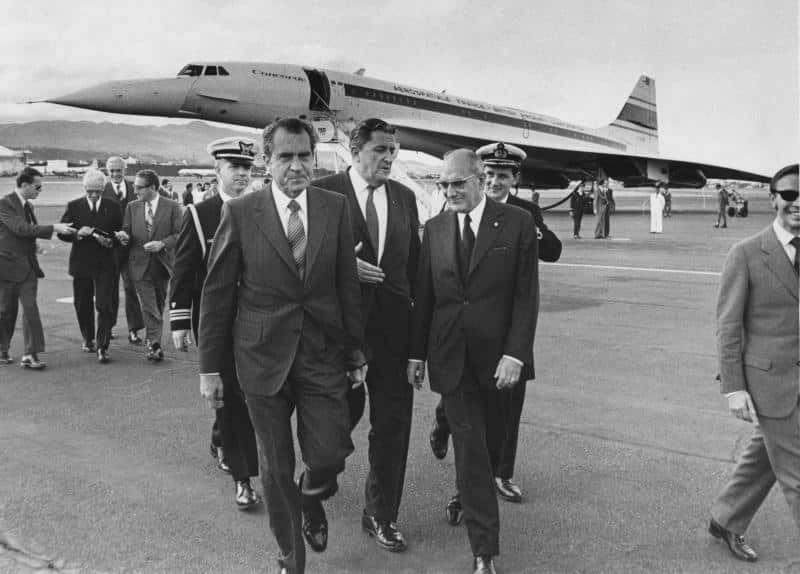
Two days later, Nixon and Henry Kissinger were invited to visit the supersonic plane before departing on Air Force One, a Boeing 707. Two months earlier US Congress had ditched Boeing’s B-2707 SST project much to Nixon’s dismay. No wonder he was delighted and impressed with Concorde, and with Air Force One parked nearby, it must have been a pretty sight to see the two on the tarmac that day!
A full-scale wooden mock-up of Concorde was built in 1967 and used that year at the Le Bourget Air Show. By then, 16 airlines had placed non-contractual options in France for 74 Concordes. The quest to transform the options into committed orders was later to prove to be quite challenging. To encourage further interest, it was decided to invite the 16 airlines to participate at the airshow in a very colourful line-up of stewardesses standing alongside the ‘faux’ Concorde.
Lockheed, another contender in the race to build an SST passenger plane, had already backed out, leaving Tupolev’s Tu-144 as the only rival for the Anglo-French Concorde. Unfortunately for Tupolev, their prototype crashed dramatically during its third appearance at Le Bourget in June 1973.
Later that year, the fuel crisis and embargo in October was to impact civil aviation to such a degree that all the airlines that had committed themselves in France and England cancelled their orders. Production, nevertheless, continued throughout 1974, and early in 1975, Air France and British Airways selected and started training flight deck crews.
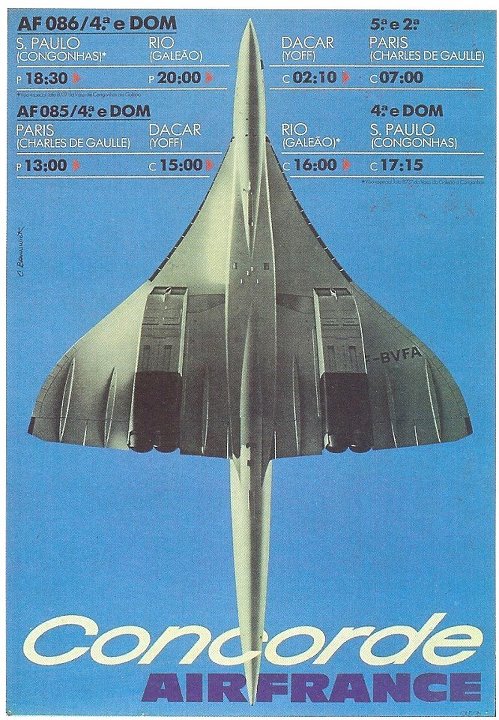
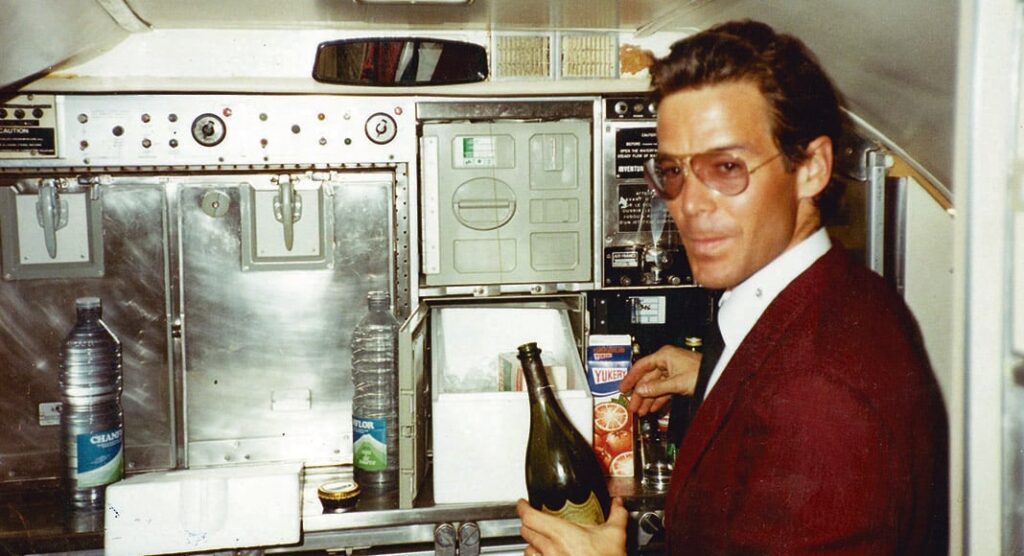
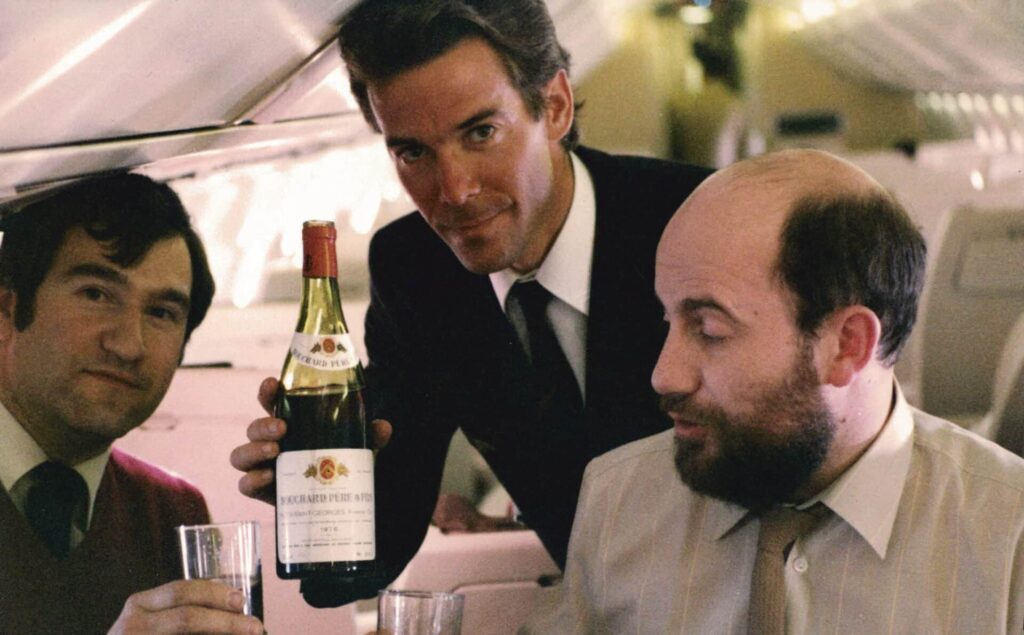
The last stage in test-flying Concorde comprised route-proving flights (also termed vols d’endurance) during the summer prior to type certification in both countries. These flights targeted routes and airports in both airlines’ networks and involved transporting invited VIP passengers to cities like Rio and Bahrain with specific Concorde mechanics on-hand there to simulate real-life conditions in-flight as well as regards ground maintenance. They also served for cabin crews to test and finalise service methods.
On one particular BA flight, the Archbishop of Canterbury was invited to the cockpit. Listening attentively to the captain informing him that the plane had just reached an altitude of 59000 feet (18000 metres), he quipped: “Never have I come this close to God.” Doubtlessly, he would have noticed that – at an altitude 50% higher than any Boeing or Airbus – the horizon is unmistakably curved. Whether or not the flight engineer told him the plane had stretched by 25 cm due to the friction generated at Mach 2.02 was never reported on though.
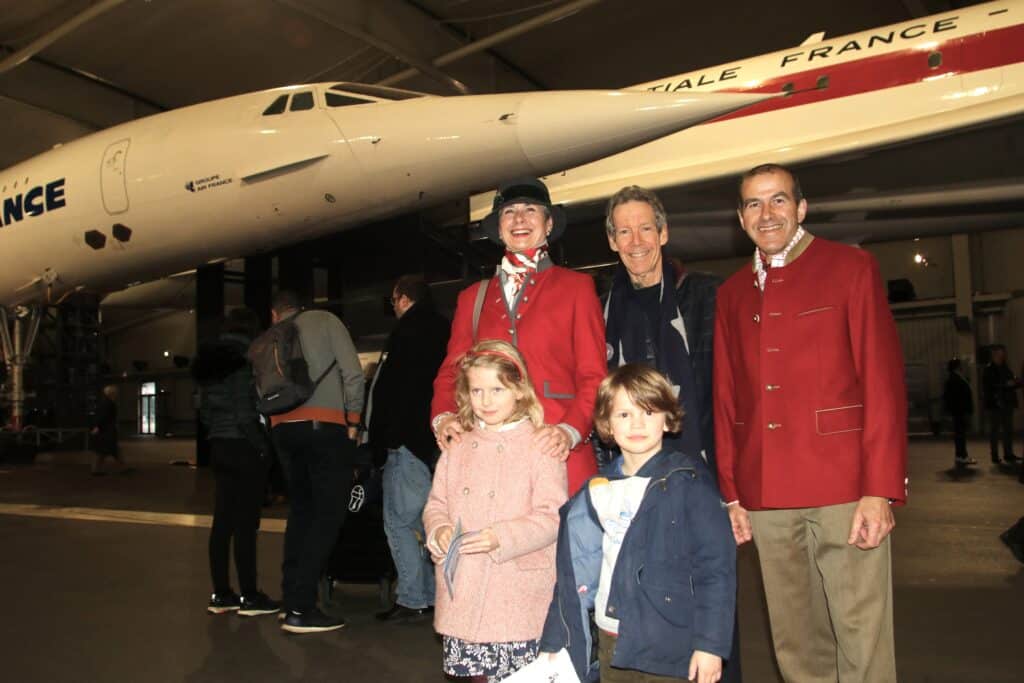
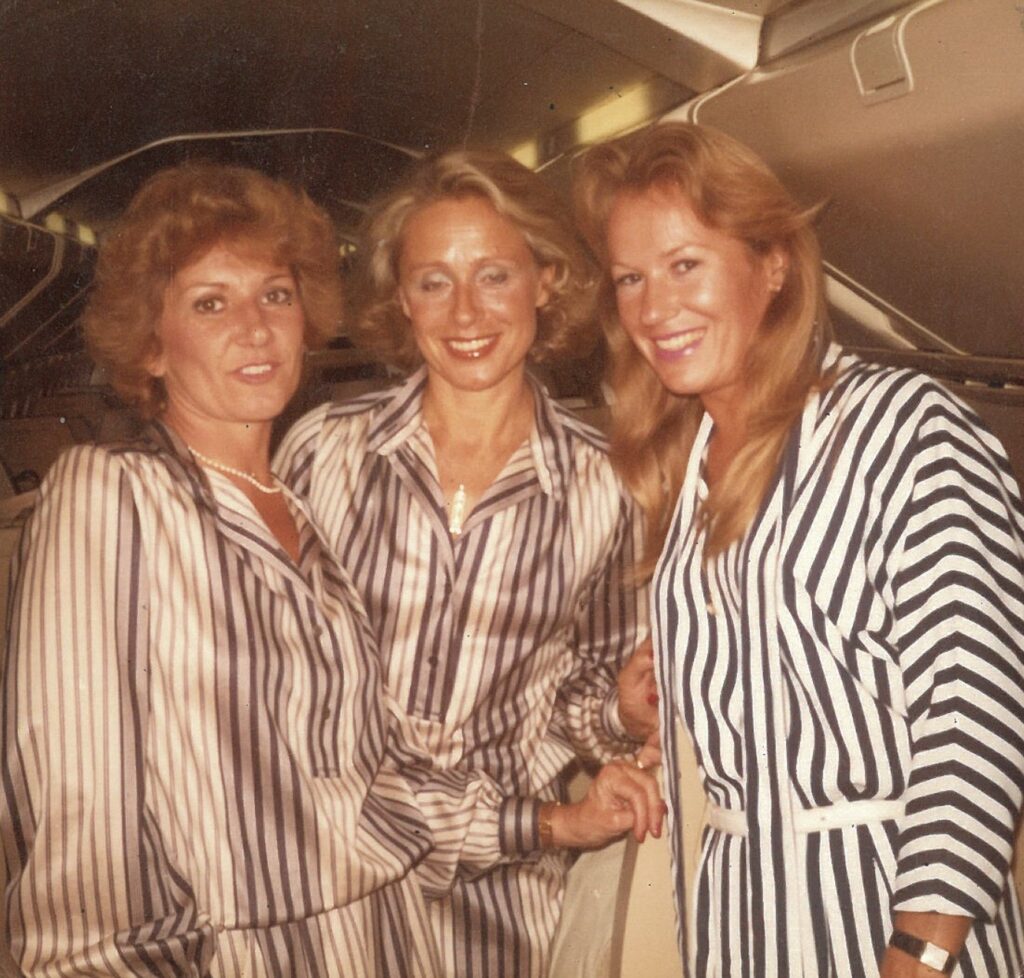
Type certification for AF and BA (in December) was finally granted in 1975. Both airlines had already agreed to work jointly to avoid competition as to which would depart first in January. And AF had decided that Concorde stewardesses were to wear a new uniform, created by couturier Jean Patou, to be worn solely on board the plane.
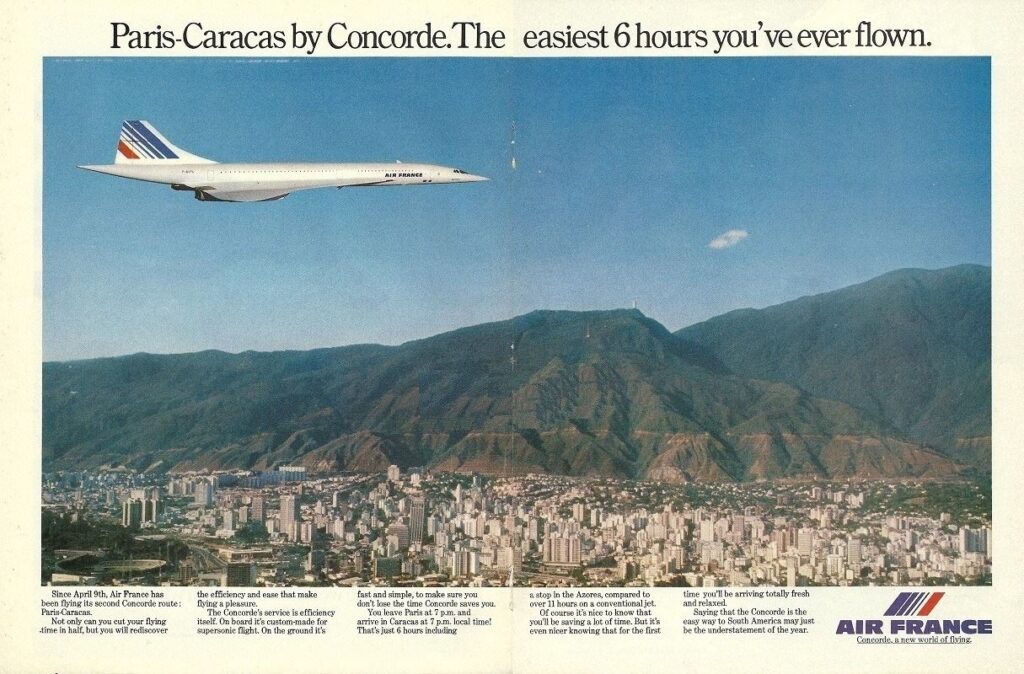
AF’s routes were slow to inaugurate, with Santa Maria/Caracas on April 9, 1976, followed in May by Washington. New York’s inaugural flight – after a 15-month battle in American courts – finally took place in November 1977, followed by Mexico City in September 1978. Services to four of the five destinations ended though in 1982.
An interesting milestone was when Braniff struck a deal with both AF and BA to operate commercial services between Washington and Dallas Fort Worth from January 1979 to May 1980. Their flights were manned totally by Braniff crews who flew subsonic at Mach 0.95 because USA had banned SST travel intra-muros. US regulations required the planes to be registered and insured in USA, so the designated Concordes had their registrations covered over with American ones on arrival at Washington.
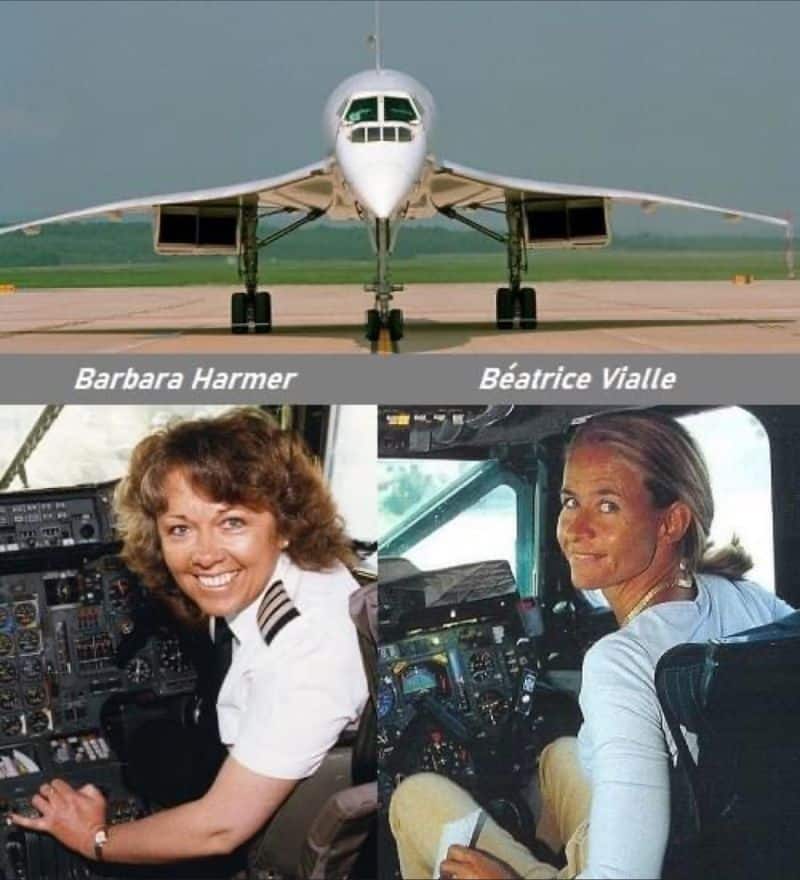
Two more exceptional milestones occurred on March 25, 1993, when first officer Barbara Harmer became BA’s only woman to fly Concorde and Béatrice Vialle the only woman to fly the plane for AF on September 11, 2001.
In those early years, internet, electronic signatures and video conferences were a long way off, so most passengers on New York flights were businessmen on their way to Manhattan to negotiate and conclude contracts in person.
AF flights took off at 11am and landed at JFK at 8.40 local time, leaving them enough time to catch the afternoon flight back to Paris and land at 10.45pm French time – the very same day!
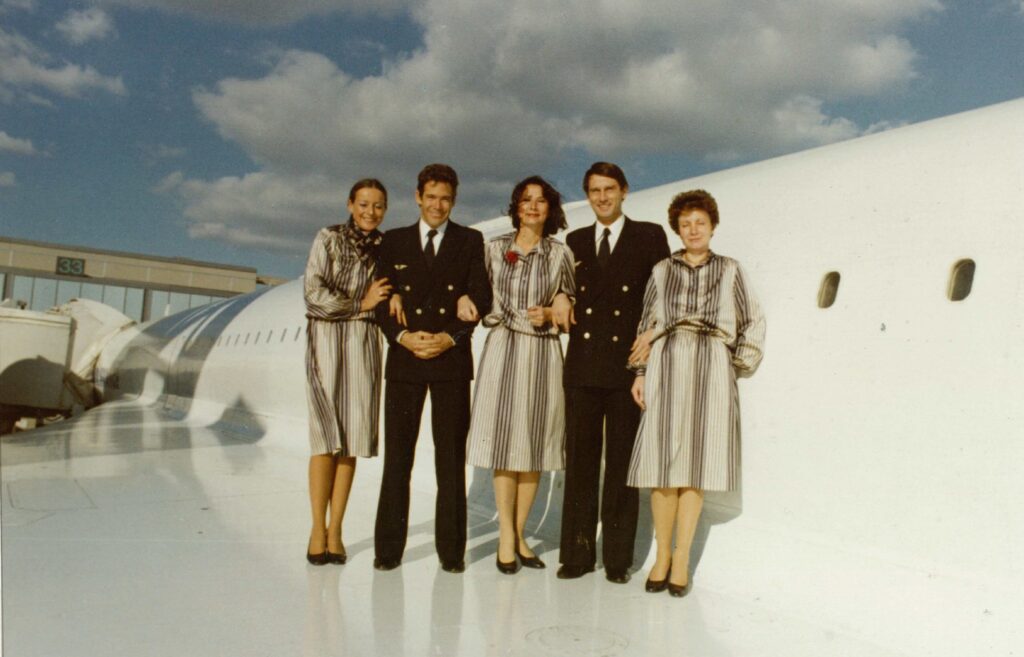
On the inaugural homeward-bound flight on January 21, 1976, the AF crew was taken on arrival to the Elysee Palace where President Giscard d’Estaing had invited them to breakfast, along with Andre Turcat, Concorde’s chief test-pilot, as guest of honour.
Today, 16 Concordes can be viewed or visited in museums as well as at CDG airport where one is on display.
Photos supplied by Douglas Hallawell
——————————
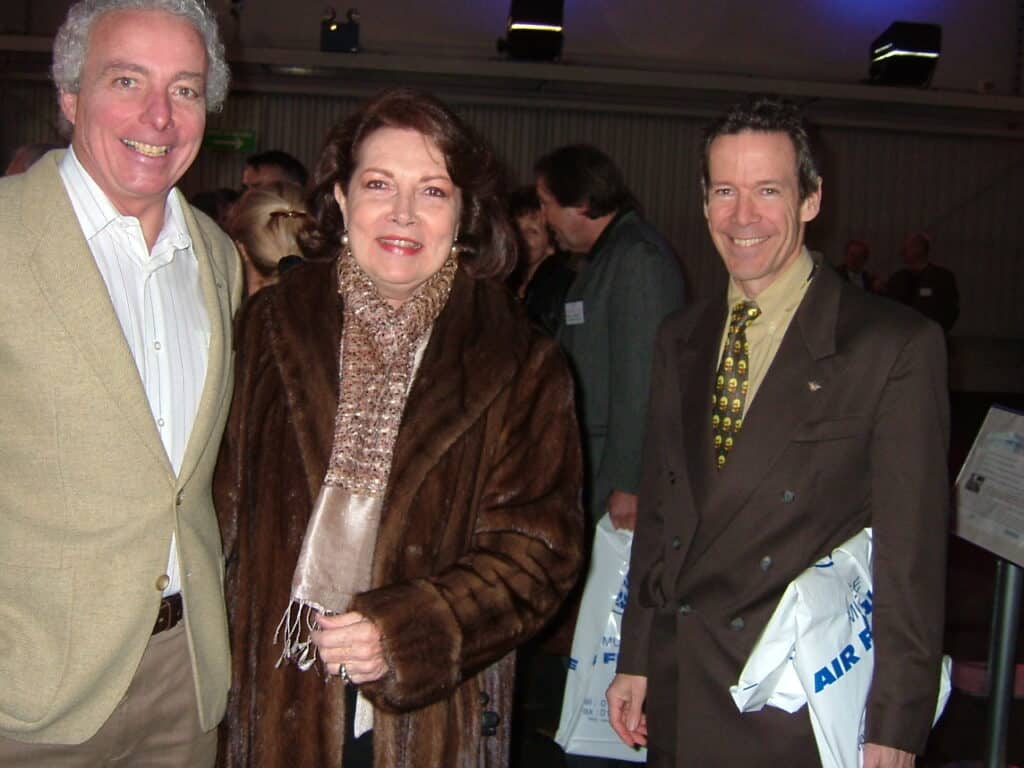
The only British subject to fly on the plane for AF in the 80s, Douglas Hallawell was born and raised in Brazil, then educated at boarding school in the UK before settling in Paris in 1972. Until moving to the Algarve in 2019 with Katherine, his ex-stewardess wife, he was a regular contributor of classic car motoring articles, namely to MOG magazine and Octane in the UK, as well as to La Vie de l’Auto in France. Towards the end of this flying career with AF, he became involved in cabin crew recruitment and teaching computer software at AF’s headquarters at CDG. As a member of the French association A.P.C.O.S. (Association des Professionnels du Concorde et du Supersonique), Douglas has also written three articles on Concorde in internal magazine Mach 2.02.