January is inevitably a month to look back at what last year looked like. The car industry is no exception. Looking back is the best way to guess what’s coming ahead, in fact.
As it has been written before in this paper, the car market grew by 6.2% in Portugal last year, with 264,821 new registrations, the best result since 2019, before the pandemic disrupted the whole market.
Peugeot remained the market leader with 21,664 units sold and the Renault Clio was the country’s best-selling model, finding 8,242 new customers, whereas the Peugeot 2008 came second and the Dacia Sandero, 2024’s winner, rounded up the podium.
So, that was Portugal. But what other facts can we gather from different places that show us what the industry looks like? Germany, for example, 2,857,591 passenger cars sold, up 1.4% from 2024 – the best result since, yes, 2019. Volkswagen was the best-selling brand, the Golf the best-selling model and the ID7 the best-selling electric vehicle. A real VW clean sweep.
In England, the market grew to 2,020,520 cars, a 3.5% rise compared with 2024. No prizes for guessing what was the best year before 2025. Combustion-powered cars accounted for a 51.6% share, in which was, likely, the last year when BEVs were not the largest slice of the market.
Plug-in hybrids sales went up by 34.7%, especially because the Chinese invasion gained a whole new scale. This statistic is either impressive or scary, you decide: the BYD Seal U, the Jaecoo 7 PHEV and the MG GS PHEV – these three models from the East alone meant 21% of the plug-in hybrid market.
The Ford Puma was the best-selling model for the third year running with 55,488 units sold, while the Tesla Model Y was the best-selling BEV – 24,298 sold. Volkswagen led the overall market – 178,607 cars sold – with BMW in second. Yes, BMW, a premium brand, in second, although a distant one at 122,723 units sold.
The French market contracted by 5% to 1,632,154 new registrations, the second worst result in two decades. French cars dominate by a wide margin: the Clio was the top-selling model, followed by the Peugeot 208 and the Dacia Sandero (a French car built in Romania). The first real foreign car is the Toyota Yaris in 10th place.
The Fiat Panda ruled the Italian market for the 14th consecutive year. In 2025, overall sales were down 2.1% to 1,525,722 registrations – a worrying 20.8% less than in 2019, the reference year. Worthy of mention is the increase in sales of plug-in hybrids: an 88.1% rise, for a total 6.5% market share.
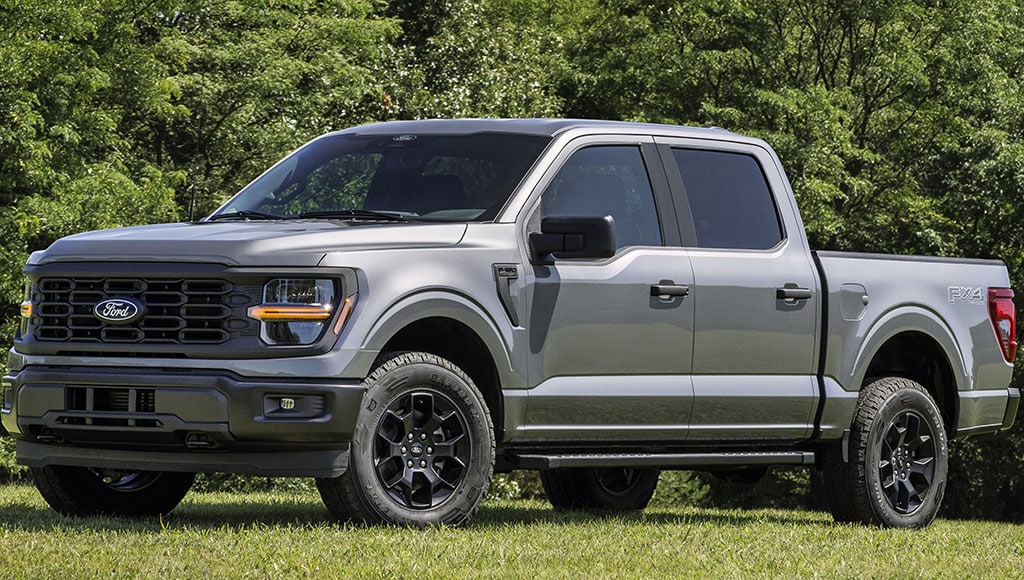
Now, for a different world, the US market meant 16,238,873 cars sold in 2025, a 2.4% rise. Best year before 2025? Yes, once again, it was 2019. General Motors sold 2,850,000 cars to keep leading the market. Ford and Toyota come next and Tesla is fourth, with the Model Y the leader in the BEV segment.
Numbers for the Chinese market are not yet fully known, but sales of NEV – New Energy Vehicles, as they call hybrids and BEVs, reached 15.33 million units last year.
With this overall look in mind, there is some facts that need addressing. In Europe, SUVs account for 59% of the market – up from 41% five years ago. The VW T-Roc is the best-selling model, the Tiguan the second best. Saloons mean only 3.5% of the market and the Tesla Model 3 is the winner in this segment, meaning such stablemates as the BMW 3-Series, the Mercedes C-Class or the VW Passat are now easily outsold by an American electric car.
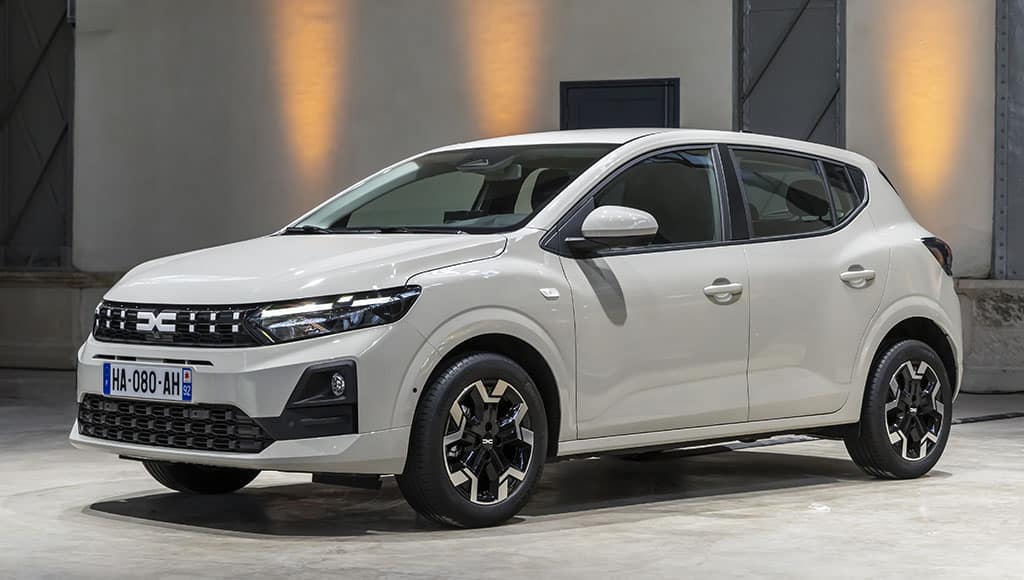
The Dacia Sandero was the best-selling car in Europe last year and that tells us one very simple thing: we are buying the car we can, not the car we would want. This is not me putting the Sandero down – it is an amazing value proposition. But if it’s a dream, it’s a dream of owning a car, any car. No one has a Sandero as their screen saver.
From where I am standing though, one statistic tops them all: in Norway, battery-electric vehicles accounted for 95.9% of the market. That is not a typo. Almost 96 out of every 100 cars sold in Norway last year were pure electric. This result comes on the back of higher taxes for EVs in 2026 and even higher taxes on ICE cars, but it’s still mesmerising.
While the European Union is rolling back its 2035 ban on petrol and diesel cars, Norway is leading the globe in this transition, all but eliminating non-EVs from sales charts. Only a handful of sports cars and specialized vehicles left showrooms with a combustion engine under the hood. Is this one of those situations where the Nordics get there first and the rest of us follow suit?
I really cannot say but, quite likely, yes. Eventually, this will be the market reality in all of Europe. It will still take a while though. In Germany, BEV sales increased a whopping 43% but still only represent a 19% market share. In England, 23.43%, France 20% and Italy 6.2%, although that means a 44% increase compared to 2024 for the transalpine country. In Portugal, electric vehicles account for 23.2% of the market, a 25.1% rise regarding the previous year’s sales.
The BYD vs Tesla war is in full swing and the Chinese are winning. BYD sold more than 2.25 million electric cars in 2025, whereas Elon Musk’s brand stood at 1.64 million. Make of that what you want but, in my opinion, the Americans will never stand at the top step ever again.
Let’s see what this year brings but recent world news will most certainly add to the uncertainty in this industry. It’s going to be another interesting 12 months.
Read more from Guilherme Marques about Audi Q5 – Keystone or 13th Annual Resident Motoring Awards
MOTOR TRADE | Business, Services, Marketplace – CLICK HERE