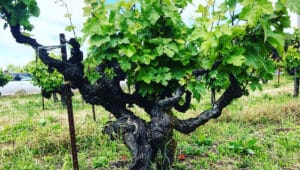
Don’t assume all Alentejo reds deliver the same old-school, high-alcohol intensity. Recent trends in the wine market demand “fresher” styles, with lower alcohol, greater complexity, and nuance. Higher-altitude vineyards near the Serra de São Mamede – with granite soils and a cooler microclimate – fit this bill beautifully.
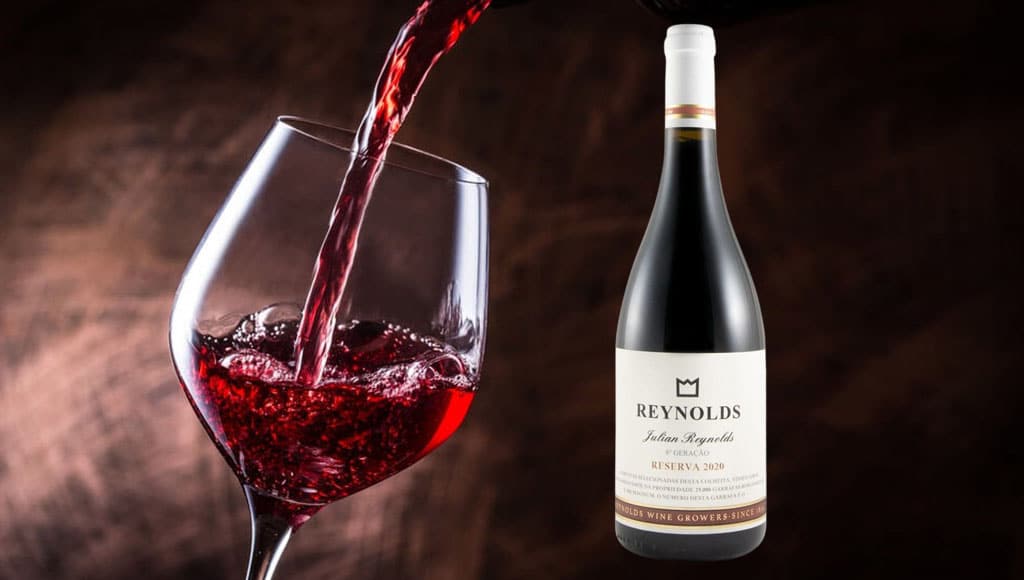
For example, the Julian Reynolds Reserva 2020 Tinto. At 13.5% ABV, this wine comes from grapes grown at 400 meters above sea level. The grapes were harvested at night and gently handled using gravity rather than mechanical pressing, to avoid harsh extraction of tannins from skins and seeds. The wine was fermented and aged in oak barrels, with a minimum of two years’ aging in bottle before release.
Composed of 60% Alicante Bouschet, 20% Cabernet Sauvignon, and 20% Trincadeira, this wine is multi-layered and complex, with ripe red fruits and notes of violets and cocoa that grow and evolve over time in the glass.
The Reynolds family’s roots in the Alentejo run deep. They have been producing wine in the region since the late 1800s, originally immigrating from England for the cork industry. They were among the original families to introduce Alicante Bouschet (a French grape) to Portugal.
The Julian Reynolds wines represent the sixth generation of the Reynolds family wine business. Carlos Reynolds, Julian’s son, also has his own label under the family brand, producing an even fresher take on Alentejo wines.
Find the Julian Reynolds Reserva 2020 at Apolónia for €18.95.
Read more from Adrienne Salerno about wine: Wine Talk – Have you ever had a salty wine? or Wine Talk – Pipa Rosa Rufete Reserva 2022