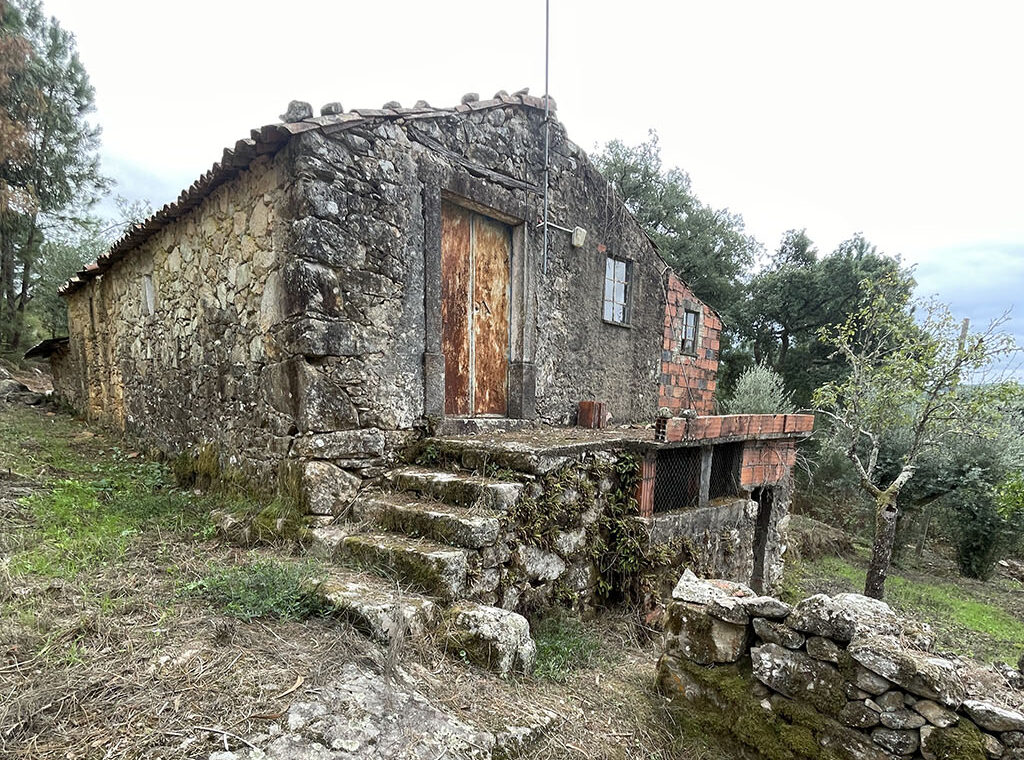
Portugal’s landscapes indeed are stunning and its traditional architecture irresistible, yet behind the dream lies a complex legal and practical reality that can catch a buyer by surprise. As more foreigners explore the idea of purchasing old farmhouses, abandoned villages, off-grid plots or traditional estates, there is a need for objective information and clarity on what can and cannot be done.
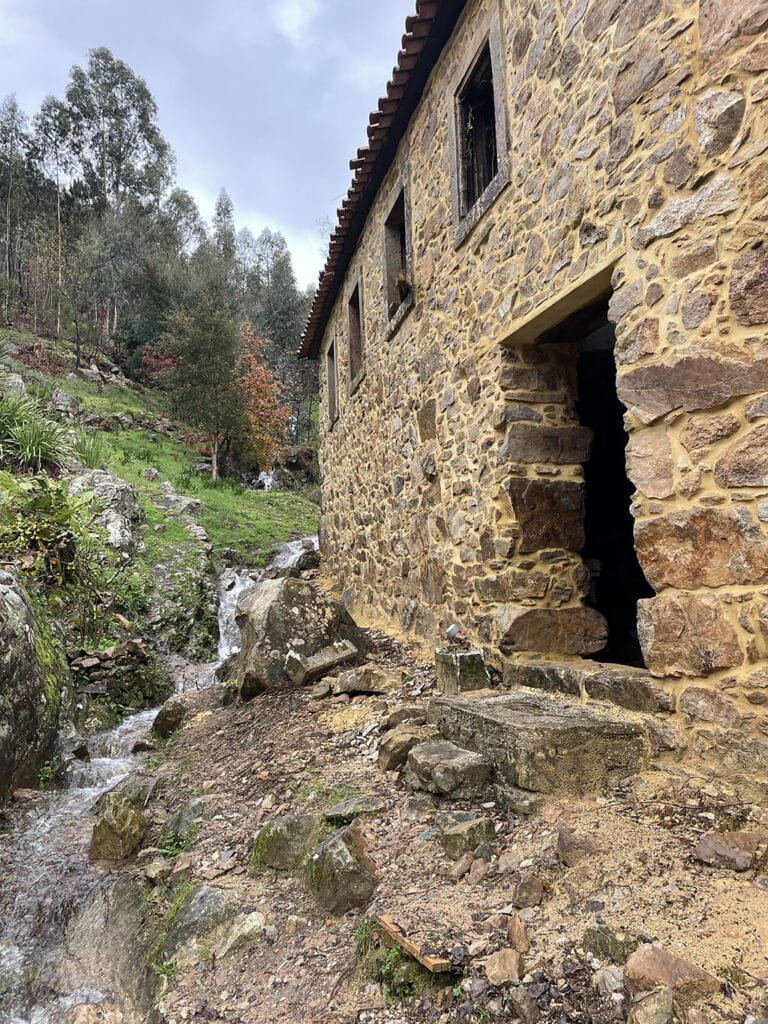
‘If it’s standing, it’s rebuildable’
This, and other myths, need to be exposed. A common misunderstanding is the assumption that any existing structure automatically carries the right to be rebuilt as the ‘home of your dreams’. In fact, the opposite often is the case.
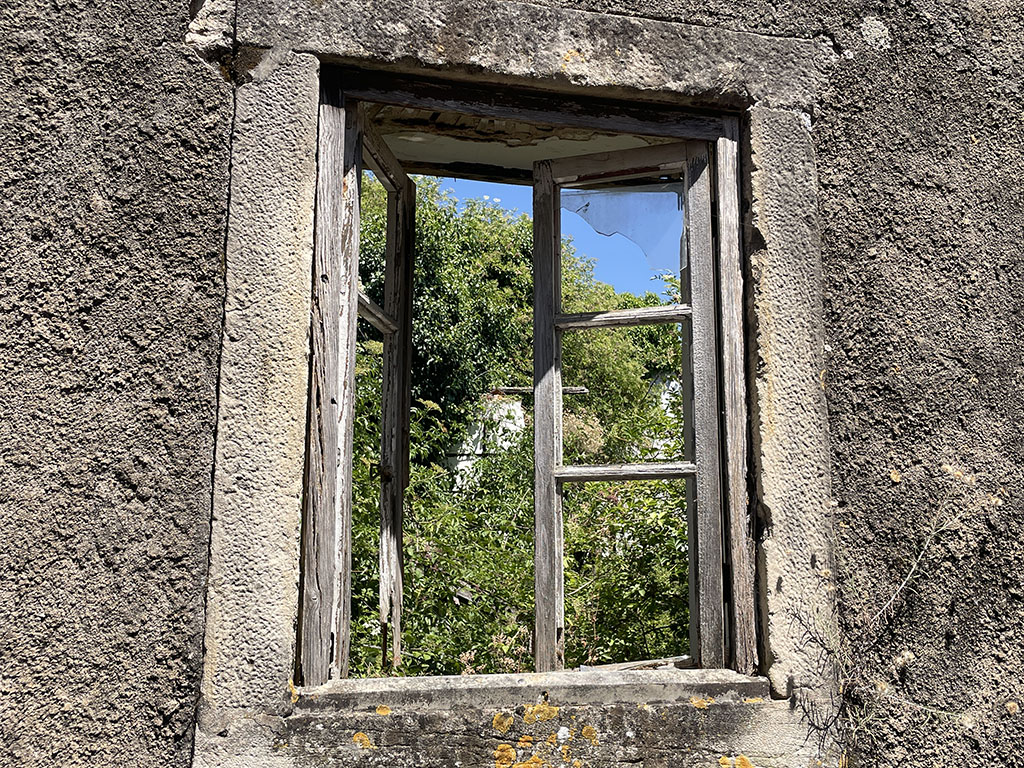
Many rural buildings are classified as agricultural annexes, storage buildings or ruins, not habitations, and also may sit in high-risk fire zones which certainly limits their future use.
Even buildings that have substantial stone walls, roof timbers and original façades might legally count as non-residential, which limits redevelopment options.
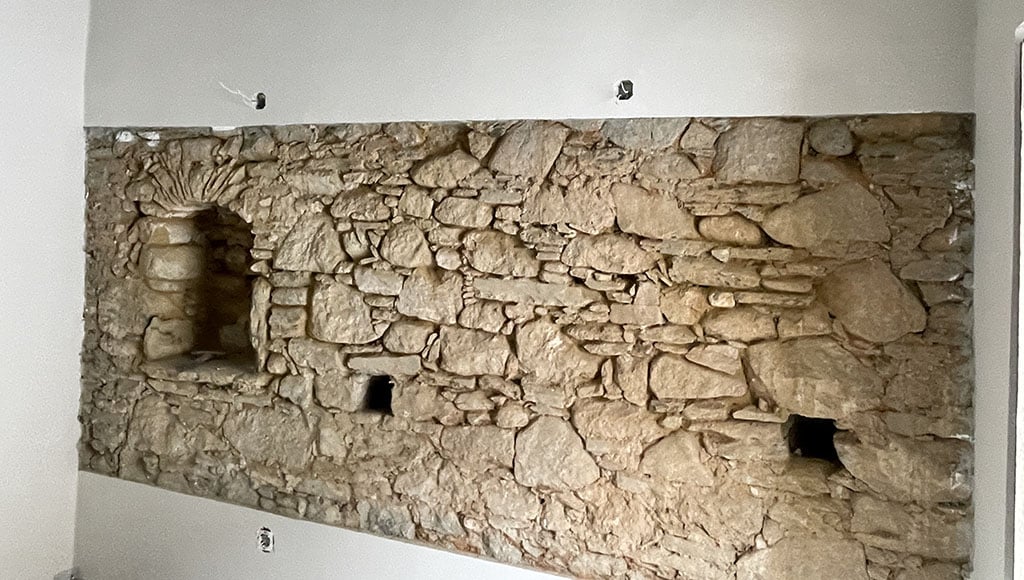
Why due diligence is everything
Rural due diligence goes way beyond checking the land area, boundaries and title deeds. Rural property requires a multi-layered analysis that includes:
- The classification of the land on the municipal development plan
- Existing or expired planning permissions
- The licensing status of every structure on the property
- Access rights, including private tracks
- Water resources such as wells, boreholes and springs and whether they are legally registered
- Environmental restrictions dependent on the property’s zoning
- Fire-risk regulations
- Feasibility and cost of connecting to electricity, water, sewage and telecoms
Many investors underestimate the due diligence needed and assume that rural land operates in a benign, relaxed regulatory environment. In reality, the opposite is true: rural and protected zones often have stricter and more complex limitations than apply in urban areas.
New-build dreams versus rural planning constraints
Many buyers are attracted by the idea of demolishing a ruin and constructing a new contemporary home, but rural Portugal is not an unrestricted building canvas.
On rustic land, new residential construction generally is prohibited unless tied to agricultural, forestry or tourism activity with economic justification. Municipalities vary in their interpretation of the rules, so it is essential that buyers discuss future plans with the local council before any money changes hands.
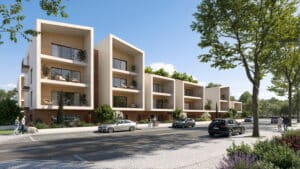
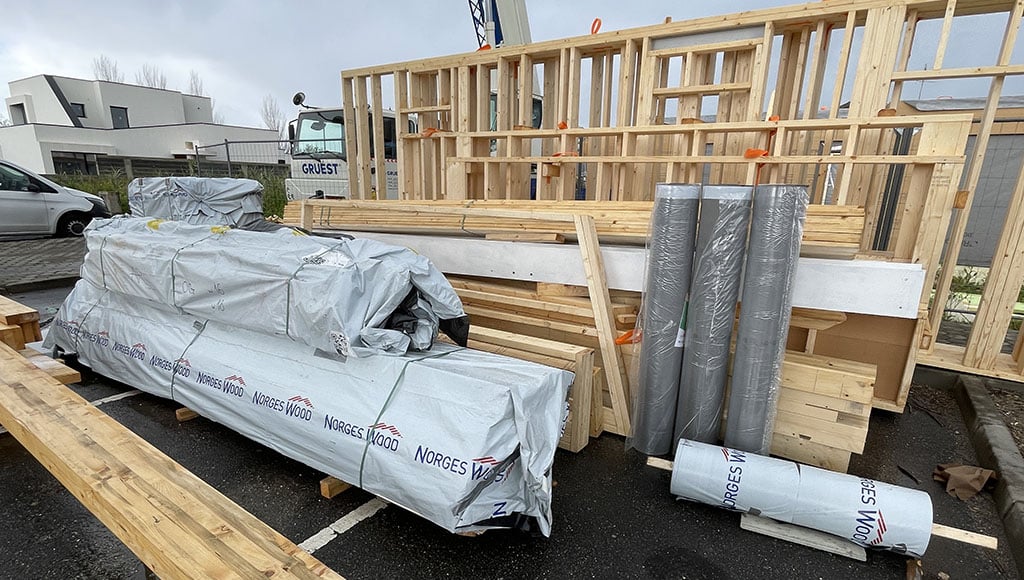
Some buyers imagine that dropping in a modular home will get around the rules; it doesn’t. Many rural councils are open to progressive construction types, but their planning departments will assess these as conventional builds that need full planning permission in compliance with the local municipal plan.
The unique challenge of abandoned villages
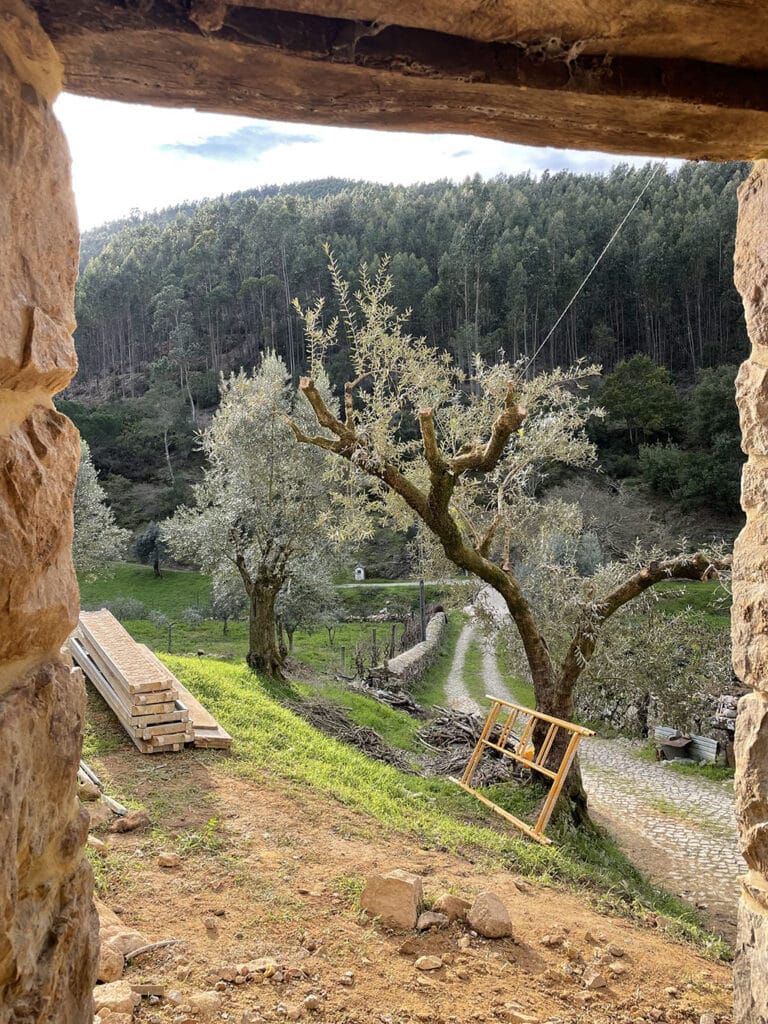
As the rural market now attracts an increasing number of investors with significant funds to deploy, an emerging trend is the purchase of entire clusters of ruins and deserted villages.
These areas offer potential for eco-tourism developments, wellness retreats, artist residencies or multi-family projects, but before a buyer gets carried away on a floaty, dreamlike image of the end result, there is some hard legal groundwork to be carried out beforehand.
Some villages are owned within a company structure, and it may be easier to buy the company rather than each individual plot and building. Obviously, this requires the company to undergo exhaustive checks for compliance, debt and any outstanding legal issues.
Working with multiple buildings, each with their own registration documents to check out, securing unified architectural concepts, installing infrastructure from scratch and aligning with the local council’s strategic vision, if it has one, demands a level of project management that goes far beyond the management of a standard renovation.
New roads, drainage, water supply, sewage treatment and electrical installation must be incorporated as part of a master plan. Investors who succeed in these projects generally do so because they partner with specialists who understand the legal and logistical landscape at a local level.
As the sector grows, the rules tighten
Portugal’s interior offers exceptional value, extraordinary landscapes and the chance to create something unique. The market for rural tourism, regenerative agriculture, boutique hospitality and self-sufficient homes continues to grow. Government incentives to attract businesses and workers to the interior add further economic momentum.
But this is not a market for guesswork. Buyers who understand the legal framework and approach rural redevelopment with both ambition and sound legal advice can find Portugal’s interior to be one of the most rewarding real-estate environments in Europe. Those whose imagination runs ahead of sound advice can cripple their bank account and risk turning a dream project into a bureaucratic labyrinth.
Portugal’s countryside is full of potential but unlocking it begins with knowing the rules.
Read Paul Rees’s last article: How reclaimed materials are redefining property development in Portugal