Encouraged by a successful government scheme to support couples trying to buy their first home, an increasing number of under-35s have stopped renting in cities and bought their first home in Portugal’s interior, adding to a regional demand for property that had been the preserve of expatriates, retirees and holiday-home buyers.
This change of profile has brought a growing appetite for good value, fully upgraded countryside homes in areas that offer a quieter, more authentic, slower-pace lifestyle but near to schools and certainly in areas with fibre-optic connection which, thankfully, is widespread.
The market changed quickly over 2025. Demand moved from doer-uppers to completely renovated homes. Much of this was due to the young couples’ mortgage support scheme which involves a property valuation by a bank. Banks like houses, not money pits.
It has been a slow shift in opinion, but Central Portugal no longer is seen as a backwater by investors. It is increasingly viewed as a viable and desirable alternative to expensive coastal and urban areas, especially for those seeking some living space in addition to a stable investment.
Developers buying old properties, restoring them, and offering them for sale are experiencing shorter listing-to-sale periods, with many buyers preferring to deal with companies and clean paperwork than with individual sellers.
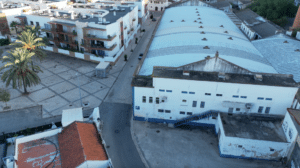
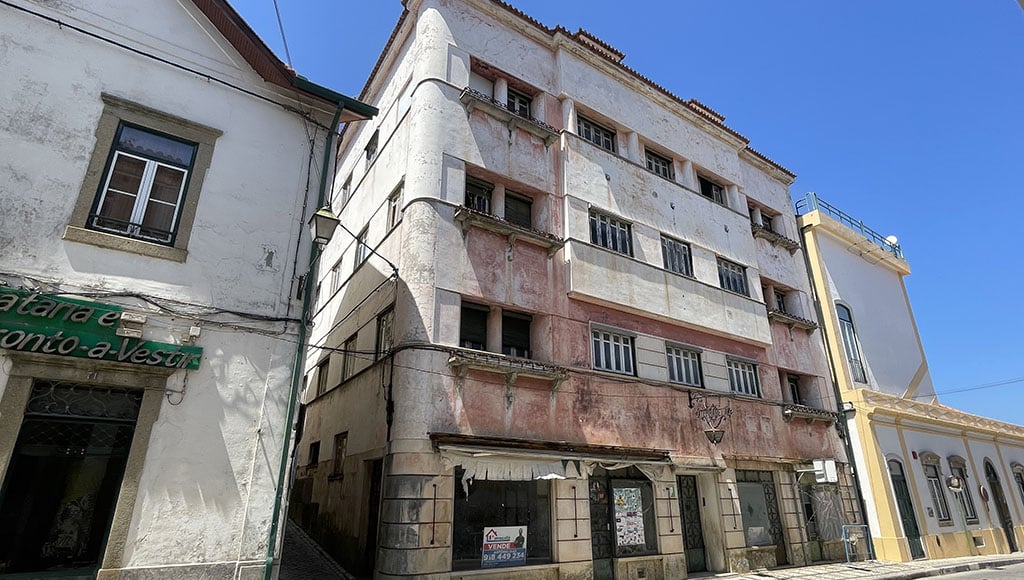
It hasn’t only been about idyllic countryside cottages in the past year, as several of central Portugal’s towns have been undergoing a startling renaissance. Many large, older properties have been sold and are being restored for commercial and multi-occupancy use. Iconic properties that have been on the market for years include old hotels, derelict factories, mills and town-centre shops with accommodation above.
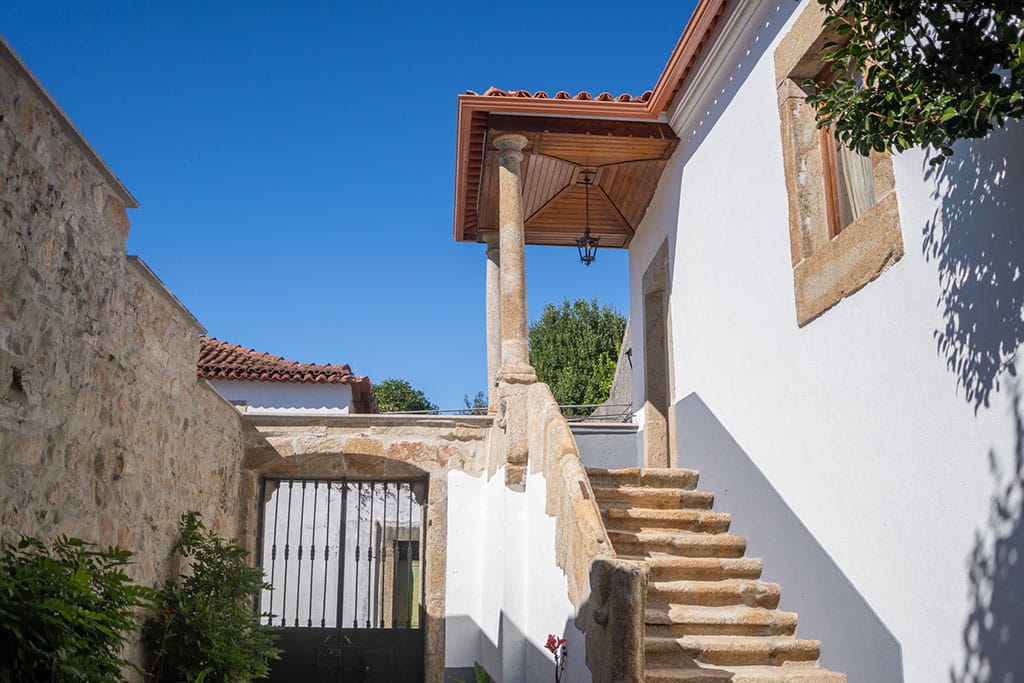
In the town of Pedrógão Grande, several historic centre properties were sold in 2025 and current offerings are sheer quality with a €1.45 million, 16th century Manor House in perfect condition, and the iconic Albergaria de São Pedro, formerly a monk-run, 16th century travellers’ hostel, coming onto the market in January 2026 as a luxury three-bedroom home with pool and steam room.
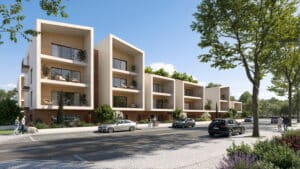
In Sertã, a huge property in the old high-street has been bought for conversion into tourist accommodation, another long-vacant building is now a new MEO shop on the ground floor with accommodation above and the Rural Properties apartments development in the historic zone is coming on well.
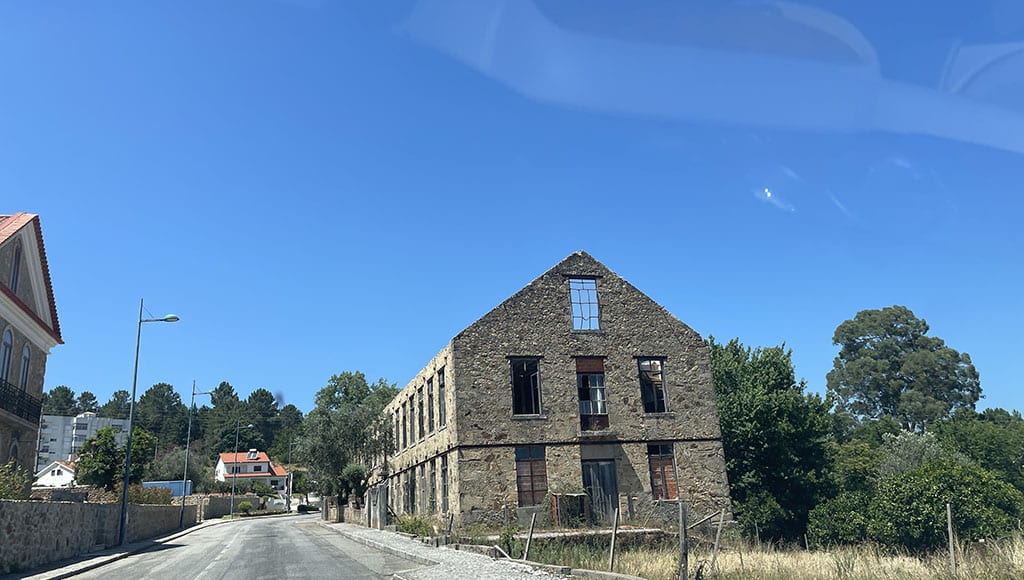
In Figueiró dos Vinhos, the landmark textile factory building is being rebuilt and the long-closed Hotel Terrabela has found a new owner after a long search.
In addition to these high-profile developments, millions in private capital are pouring into towns and villages, upgrading long-ignored assets to create homes, rental properties and retail space to the benefit of the local ecosystem.
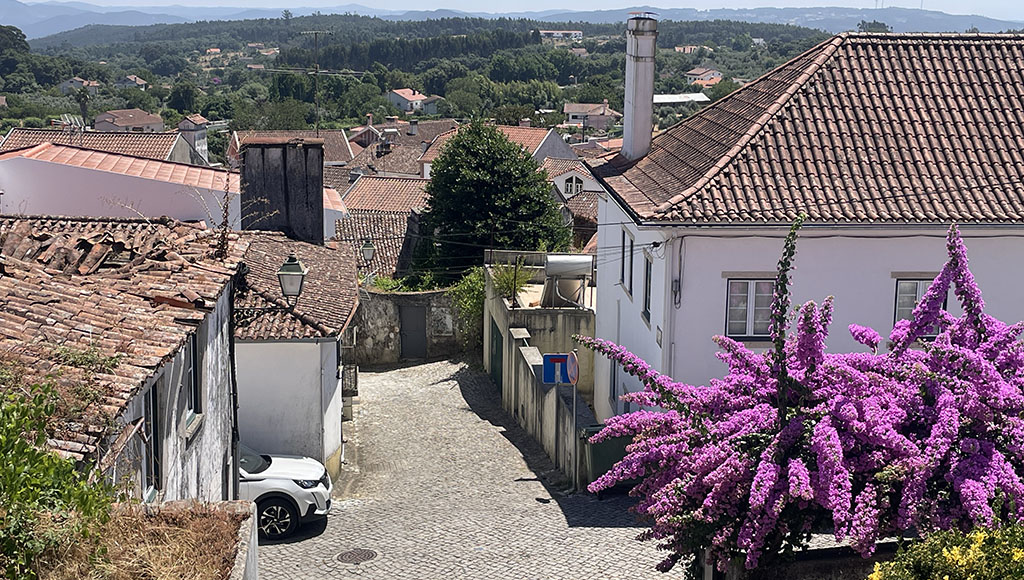
Overall, this market is ‘chicken and egg’ as the success of rural property depends on sustained interest from buyers, as well as continuing investment from developers to provide homes that people want to buy; demand continues to outpace supply despite a surge in the number of property developments.
The government has been encouraging businesses and workers to move inland, Portugal 2030 grants have increased the number of viable businesses setting up in the interior and the young couples mortgage guarantee scheme has had a notable effect, but perhaps the hidden driver for rural sales has been the increasing rise in prices of property in the Algarve, Lisbon and Porto.
Next year, activity levels in the interior of the country will continue to depend on jobs, schools, healthcare, broadband, visa processing times and Portugal’s continuing ability to promote itself as a safe, welcoming destination.
Somehotspots will remain with more remote villages continuing to suffer low sales. Buyers are savvy when choosing locations and those villages that are too far from services will continue to be underpopulated and low value.
The shift from ‘go it alone’ to ‘buy something already renovated’ will continue as not only can this save money, but it certainly saves time; the days of living for years in a Portakabin alongside your renovation are long gone. Social media postings continue to illustrate the pitfalls that many property DIYers encounter, with paperwork and renovation costs topping the complaints list.
Overall, the rural property market is undergoing steady and sustained growth with demand still outpacing supply.
It’s not all about investment, ROI and yield; rural Central Portugal is a delightful area in which to live, work and be happy, and I wish all readers an excellent 2026 and hope they will visit soon.
Read Paul Rees’s last article: Rural property in Portugal: what buyers forget