Yet, did you know that, surprisingly, Henrique never actually sailed on any voyages himself? Something that astonished me when I first learned about him from my school History books as I grew up in Portugal.
Born of dual royal lineage, Henrique was the third son of King João I of Portugal and Philippa of Lancaster, daughter of John of Gaunt and granddaughter of King Edward III of England. This alliance strengthened ties between Portugal and England, still the world’s oldest continuous alliance. Henrique became a soldier, statesman, and scholar, but his real passion was exploration.
Despite his title ‘O Navegador’ (The Navigator), which was coined only in the 19th century, Henrique was not an explorer but a patron and visionary who financed and organized expeditions. Under his direction, explorers charted the west coast of Africa and discovered Madeira, the Azores, and new Atlantic islands, laying the groundwork for future Portuguese explorers.
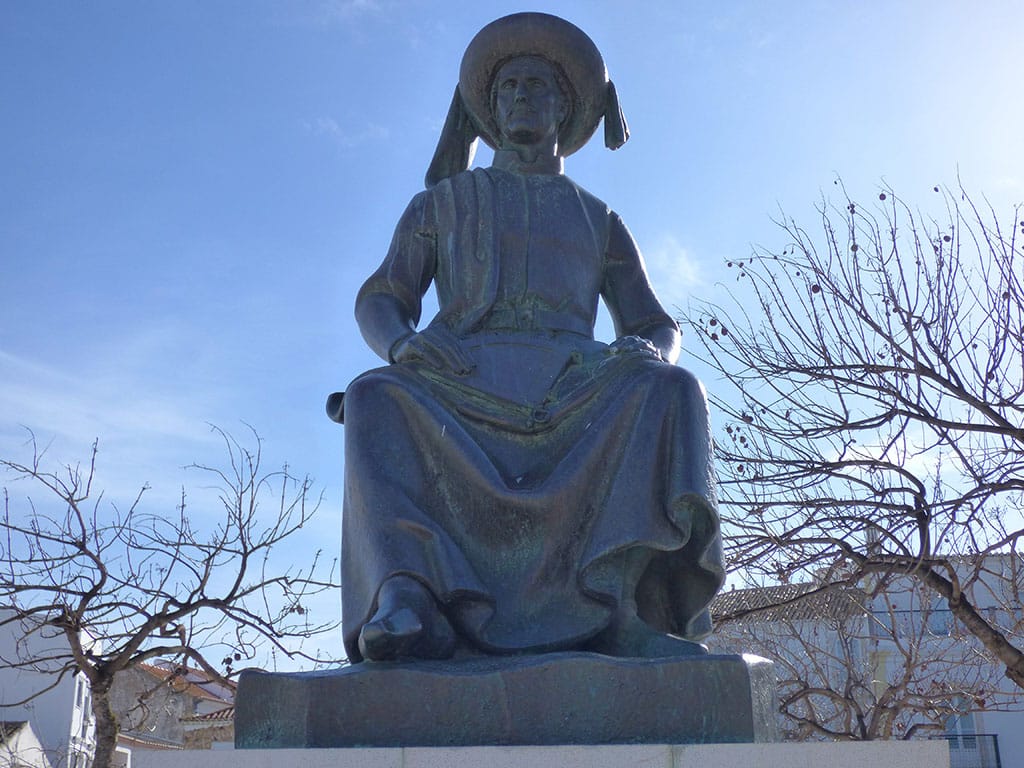
Both Sagres and Lagos have deep ties to Henrique. At Sagres, the windswept south-western tip of Europe, once called ‘Fim do Mundo’ (end of the world), was where he established his base. Standing on the cliffs, facing the vast Atlantic, one can imagine the awe and fear sailors must have felt, believing they were on the edge of the known world, seeing the never-ending sea stretching before them.
Historians debate whether Henrique founded a formal School of Navigation at Sagres, or whether it was simply a meeting place for expert cartographers, astronomers, and navigators who refined maps and exchanged ideas. The legend of a “school” only appeared in writings centuries later, but Sagres undoubtedly became a hub of nautical innovation and learning.
From these southern cliffs, Henrique looked toward Africa, a direction that would lead Portuguese sailors around the Cape of Good Hope and on to India, reshaping global trade.
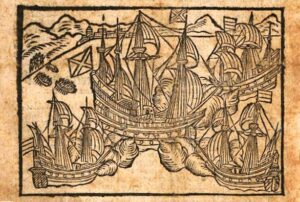
While Sagres served as his planning centre, Lagos was his home and the operational heart of his expeditions. As governor of the Algarve, Lagos was also his administrative centre. Its busy harbour and shipyards produced the caravel, a light, fast vessel which revolutionized exploration as it could go against the wind and venture farther than any European ship before.
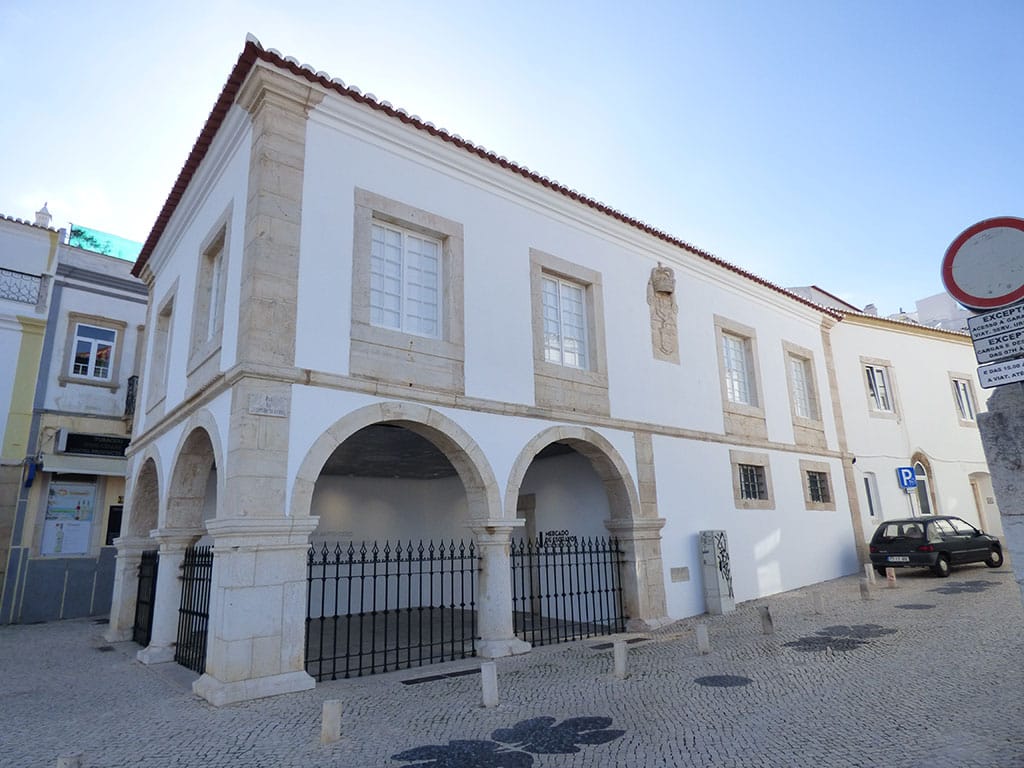
Lagos also has its darker chapters. In 1444, the first cargo of enslaved Africans arrived, and Europe’s first recorded slave market opened there. It is now the ‘Mercado de Escravos’ museum, a reminder of the human cost of exploration and it is well worth a visit.
Both towns feature forts built as coastal defences. Sagres Fort, rebuilt in the 1570s and after the 1755 earthquake, still stands proudly on the barren headland with its massive walls and sea-facing bastions. Inside, you can see the incredible ‘rosa dos ventos’, a 43-metre-wide stone compass uncovered in 1918, and which was possibly used for navigation training. There is also a small 16th-century chapel where sailors once prayed for safe passage.
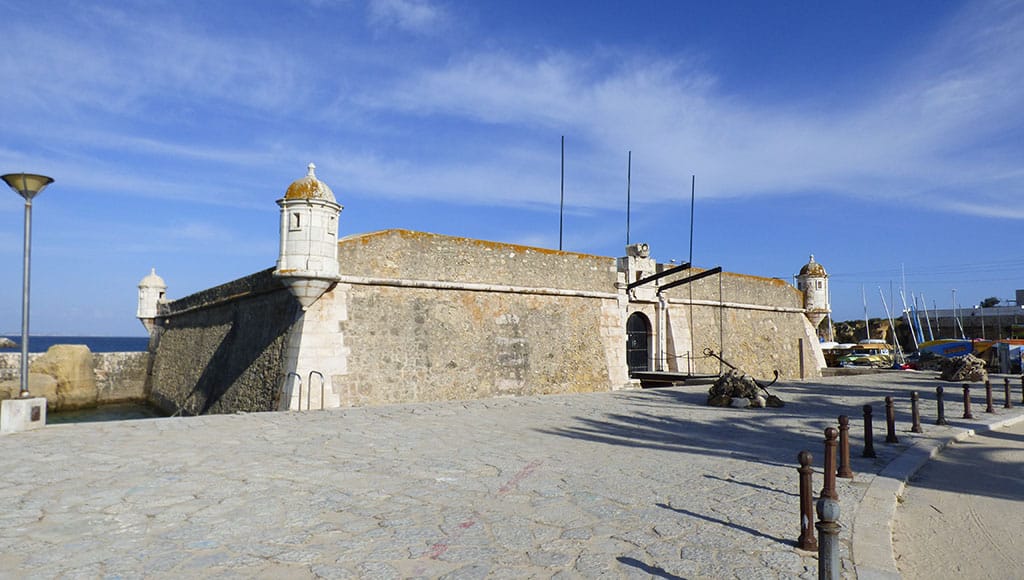
The Lagos Fort, constructed later in the 1680s, postdates Henrique’s lifetime but now houses exhibits on Portugal’s seafaring past, including displays about his life, navigation, and early exploration. There, I learned that no authentic portrait of Henrique exists as the familiar images with his distinctive chaperon hat are all later artistic interpretations!
From the ramparts, gazing over the harbour, it is easy to imagine the ships that once set sail from Lagos, driven by Henrique’s vision. Though he never joined them, his motivations were complex, believed to be his faith, curiosity, and commerce.
As a devout Christian and leader of the Order of Christ (successor to the Templars), he sought to spread Christianity and locate the mythical King Prester John thought to rule somewhere in Africa or Asia. Henrique’s work was financed through profits from the Order of Christ, which inherited the Templars’ vast wealth. The red cross that adorned Portuguese sails came from this order.
There was also scientific curiosity and wanting to overcome sailors’ superstitions. Until 1434, many captains and sailors believed that the seas beyond Cape Bojador were monster infested and possibly boiling, and so they were fearful of going there.
Henrique’s captains proved otherwise, opening the route to the African coast and, eventually, around the world, thus leading to other captains overcoming their fears.
Henrique died without seeing his dream fulfilled and with doubts as to whether a sea route could be found to the enticing east, but within 60 years, his work paid off when Bartolomeu Dias rounded the Cape of Good Hope in 1488.
Subsequently, Columbus reached the Caribbean in 1492, Vasco da Gama arrived in India in 1498, and Pedro Álvares Cabral discovered Brazil in 1500. Ferdinand Magellan’s expedition completed the first circumnavigation of the globe in 1521, despite Ferdinand being killed in battle in the Philippines in 1521. Columbus actually settled in Madeira for a year to restock and sailed in Henrique’s caravels. Eventually, Portuguese ships reached China, Japan, and Ethiopia.
All of this stemmed from Henrique’s investments in ships, charts, and training, which led to the foundation of Portugal’s maritime supremacy. Henrique’s vision reshaped the known world, expanding trade, knowledge, and the Portuguese empire.
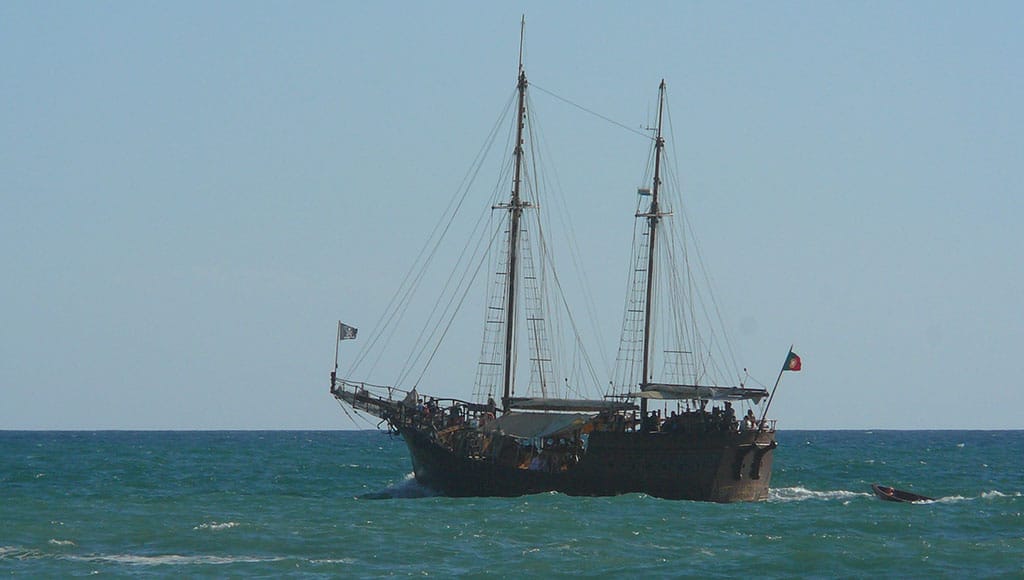
Today, statues of Henrique stand in Lagos, Sagres, and Lisbon, gazing eternally toward the sea despite his never having left these shores. These towns remain lively coastal destinations, where visitors walk along the same waterfronts from which caravels once departed to chart the unknown and can even sail along the coast in a modern-day caravel.
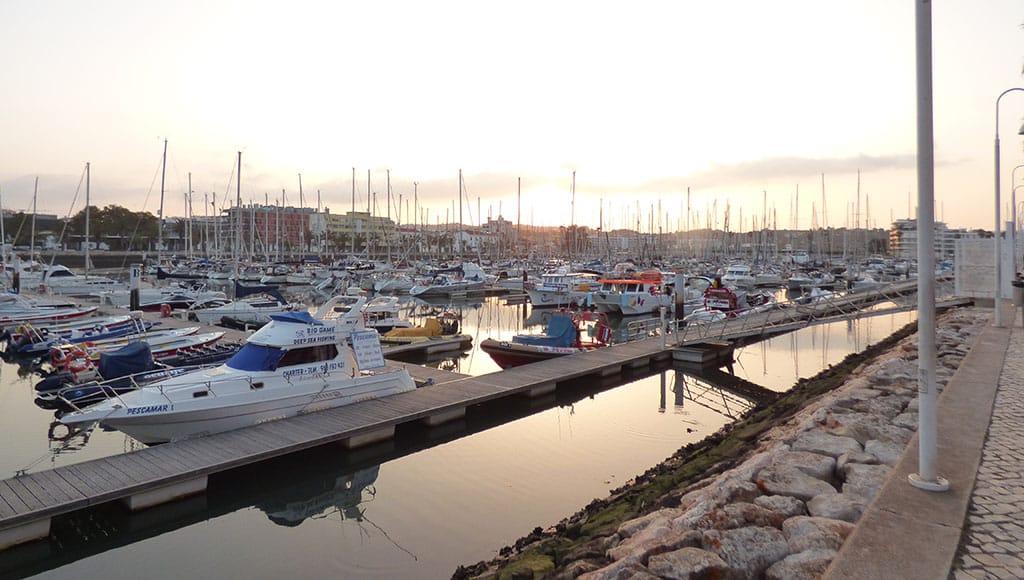
The forts still guard the shoreline, now against nothing more dangerous than luxury yachts, but they remain as reminders of a time when one man’s vision set Portugal at the helm of world discovery.
So now you know!
Read Isobel Costas’s last article: Did you know…Silves Cathedral stonemasons’ marks