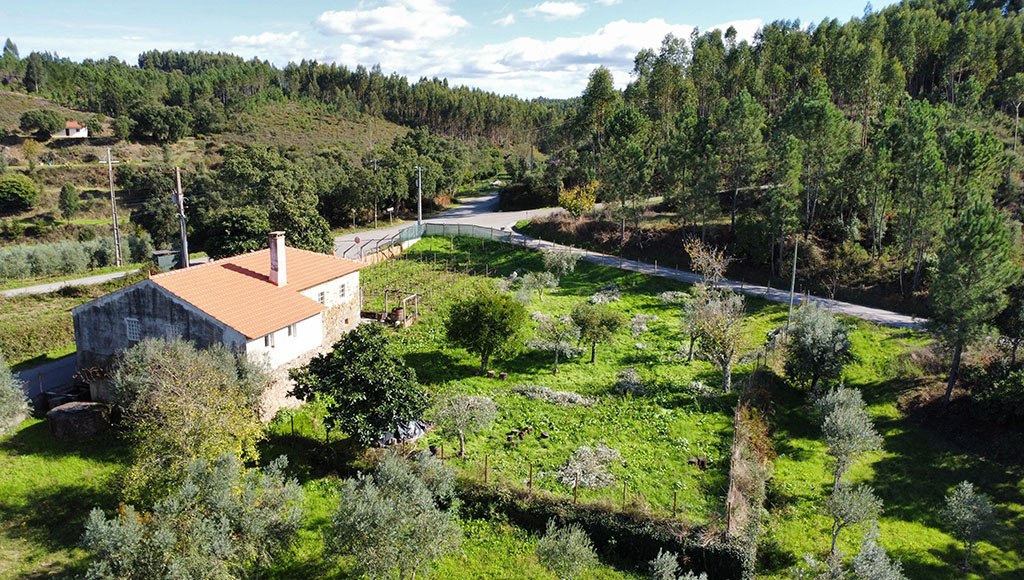
As prices reach record levels in these key areas, attention has turned inland with Central Portugal and the Alentejo now being portrayed as the next great property ‘gold rush’ for foreign buyers seeking space, value and a slower pace of life.
But is the countryside really booming, or is the reality more complex than the headlines suggest?
There is no doubt that international interest has grown. Rising coastal property prices, lifestyle changes after the pandemic, and the expansion of remote working have encouraged buyers to look beyond traditional hotspots.
Inland Portugal offers what many can no longer afford on the coast: land, character, privacy and relative affordability. For the price of a small apartment in Lisbon or the Algarve, buyers who dream of mansions and rolling farmland find that this can be a reality.
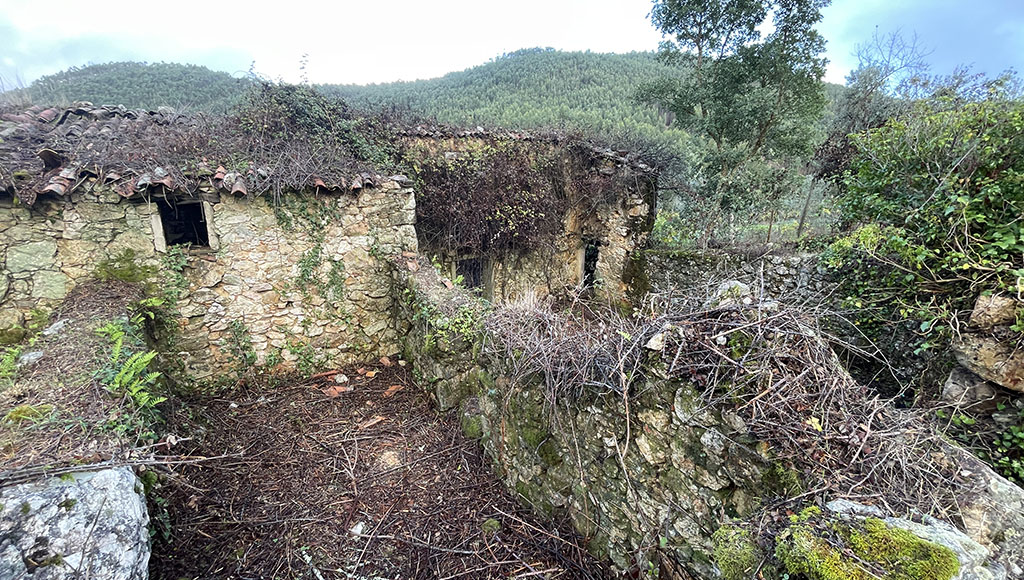
However, affordability does not mean simplicity. Much of Portugal’s rural housing stock is old, in poor condition and in need of some serious renovation. While restoring a stone house in a quiet village sounds idyllic, the practical challenges can be significant. Many rural properties were built decades ago and resolving issues can take time, specialist legal support and additional budget.
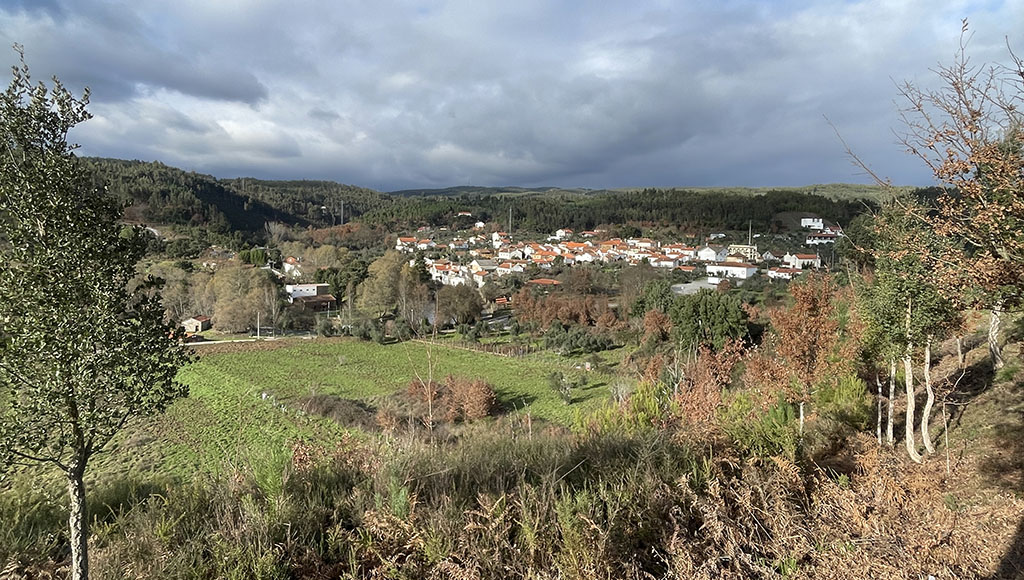
The idea of a rural ‘gold rush’ also masks how localised demand really is. Rural Portugal is not one single market. Properties close to larger towns, river beaches, historic centres or transport links will attract a more consistent interest.
Homes in isolated villages in depopulated areas can remain on the market for years, even at low prices. Location, access and infrastructure matter and ‘cheap’ properties are always cheap for a reason.
Infrastructure plays a decisive role for foreign buyers. Reliable road access, fibre-optic internet, healthcare and proximity to State services all influence long-term livability. Many rural areas benefit from excellent digital connectivity, making remote working possible. Others still struggle with weak mobile phone signals, limited transport and long journey times to hospitals and administrative services. These differences dramatically affect lifestyle bandwidth and property resale potential.
Foreign buyers are often seen as the main drivers of rural demand, but they are only part of the picture. Portuguese families, particularly younger buyers priced out of the cities, also are moving inland.
Rural life comes with compromises that many overseas buyers underestimate. The winter months are quiet and can be isolating in smaller villages. While Portugal is welcoming and safe, adapting to rural life requires patience, flexibility, insulation, central heating and realistic expectations.
Learning even the basics of the Portuguese language stands many incomers in good stead and the adaptability of local services, such as tradesmen, legal support and materials suppliers, shows an inland market becoming mature and transparent.
Renovation costs have changed the financial equation as well. Rising materials prices and labour shortages mean that refurbishing an old property is no longer the preferred option of the majority with many now seeking to buy fully renovated homes.
From an investment perspective, rural Portugal is not a short-term play. Outside of established tourist destinations and villages not far from cities, short-term rental demand can be highly seasonal. Resale markets can be slow, and capital growth remains uneven.
Buyers looking for quick profits or guaranteed rental yields may be disappointed if their research is faulty or when their dreams overcome market logic. Rural property is better suited to long-term lifestyle buyers than short-term investors.
That said, not all foreign buyers are motivated purely by financial returns. For many, the appeal lies in fresh air, space, nature, traditional community life, lower population density and a slower pace of life. The opportunity to own land, grow food, and live close to the countryside remains a powerful draw, especially for those seeking an alternative to crowded city or expensive coastal living.
Social media has helped shape the ‘gold rush’ narrative. Renovation stories, before-and-after transformations and sunset views create a compelling image of rural Portugal. Less visible are the delays involved in renovations and the hard work in running a farm or smallholding.
To be fair, these are the same challenges faced in any country’s rural interior, but social media has managed to create a Portuguese dream without the challenging parts.
So, is rural Portugal experiencing a property gold rush for foreign buyers? The answer is both yes and no. Interest undoubtedly has increased, all areas have seen price growth, and countryside living is more visible than ever through media exposure. However, demand remains highly localised, challenges persist, and expectations must be realistic.
For buyers who research carefully, seek proper legal advice and approach projects with patience. Rural Portugal can offer genuine value, both financially and in terms of lifestyle. For those chasing effortless renovations or quick profits, Portugal’s interior areas will prove less forgiving.
Ultimately, Portugal’s rural property story is not about a sudden rush for gold. It is a gradual, uneven shift driven by affordability pressures, lifestyle choices and changing priorities. The opportunities are real but so are the risks. Success depends not on following a trend, but on understanding the realities of buying and living in rural Portugal.
Read Paul Rees’s last article: Central Portugal comes of age