In equal measure, we feel joyous for having made the memories, and sad for it having gone so fast, leaving a sentimental mark in our hearts. In moments like these, comfort foods and familiarity can provide much-needed solace – amongst such foods, soup holds a special place.
Soup has been an integral part of the human civilisation from the very beginning. It is one of the earliest and most enduring culinary innovations that came together with the discovery of fire and cooking vessels.
The word soup has multiple origins. According to some, it derives from the Latin word ‘suppa’, which refers to bread soaked in broth. In Proto-Germanic language, there is the word ‘sup’, which means ‘to make liquid’. Then there is also the 1600s French ‘soupe’ that helped popularise the dish.
The archaeological evidence suggests that soup-making goes back to 20,000 BC, and points that the first written recipes, discovered on cuneiform tablets in ancient Mesopotamia, date back to 2140 BC. Neanderthals were the early progenitor of the soup-making tradition. They boiled bones to prevent food poisoning and, in so doing, rendered fats leading to a drinkable broth.
Some later chapters of the soup-making history involve Roman conquests of Spain, where gazpacho was discovered, and the seventh-century Chinese preparation known as a ‘shallow cloud’ soup. It was a meat broth filled with miniature pork dumplings that were floating as if clouds in the sky. We now know it as a wonton soup.
In Europe, the early, broth-based soups were transformed into more complex and flavourful concoctions with the fall of the Ottoman Empire. Turks were big fans of vegetables and masters of their use in soup-making. Once the Empire fell, many preparations from Anatolia and Central Asia entered Europe, including that of bulking up soups with vegetables. With time, Europeans continued to diversify their soup ingredients based on what was available. Bread was one of the most popular ingredients, particularly before the arrival of potato, and it has been essential to soup-making in the UK, Germany, and Greece.
In 18th century France, street vendors would sell preparations called ‘restoratif’, which were soups known for their healing properties. These dishes were in part responsible for the creation of the first restaurant, which was an initiative led by a gentleman with the name Boulanger, who decided to open an eatery featuring soups, eggs and other restoratifs.
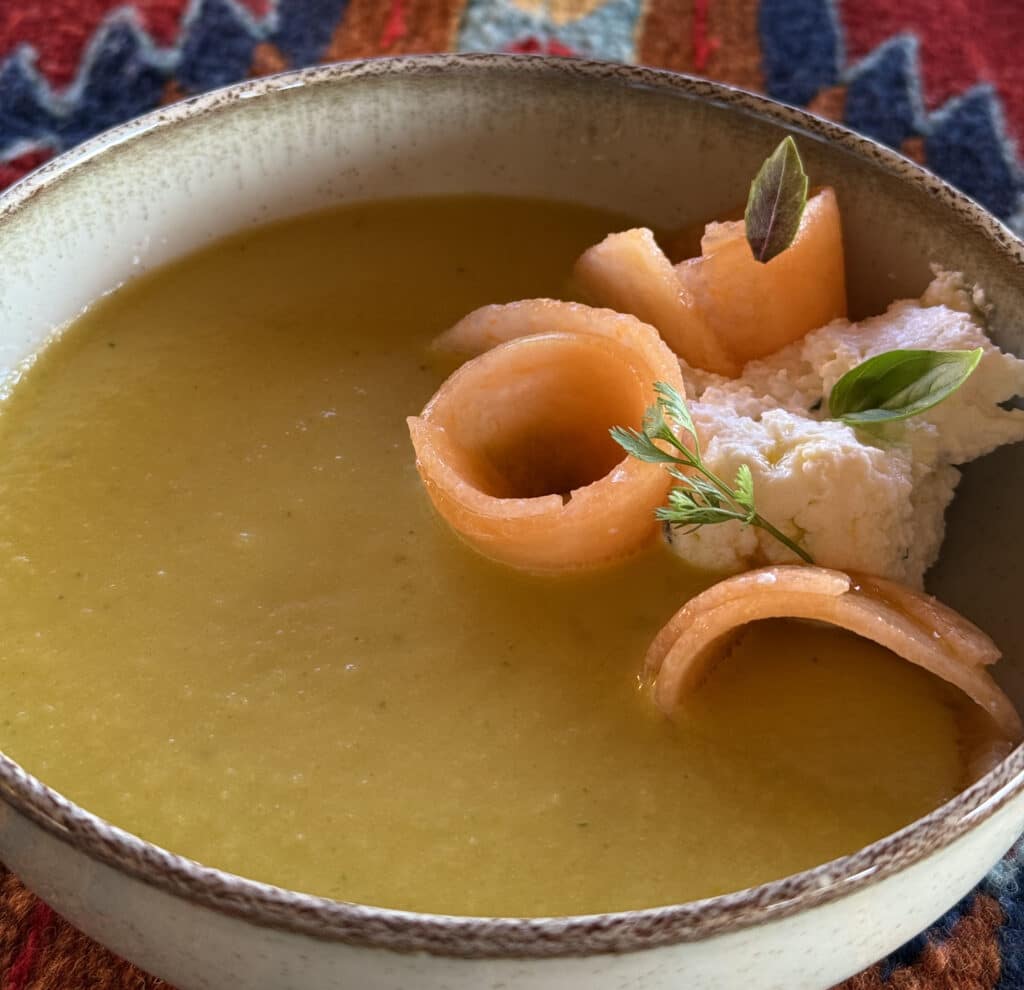
From there, the French love affair with soups only grew stronger, providing us with their classification by the unparalleled Auguste Escoffier. Clear soups were classed as bouillons and consommés, whilst thicker soups were further divided into several categories such as purées, bisques, creams, chowders, coulis and veloutés. As many things done by Escoffier, the classification still stands.
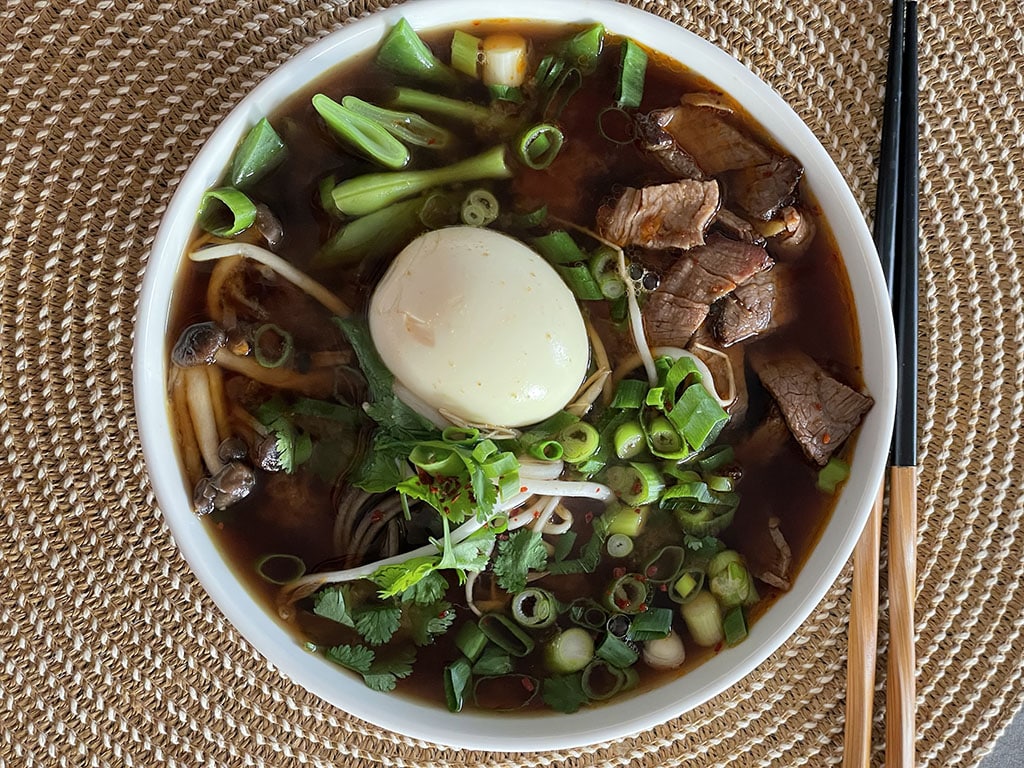
All through our history, soups have been an answer to countless human needs, like, for instance, feeling cold or unwell, sad or homesick. With the exceptional consistency, each spoonful of soup delivers a sense of nourishment and emotional care regardless of whether one indulges in the velvety richness of Portuguese caldo verde; the earthy deliciousness of Ukrainian borscht or the effortless simplicity of Vietnamese pho.
Soup doesn’t demand or take away; it gives. It is capable of restoring our emotional core by melting away stress and replenishing the soul. It reminds us that true comfort often comes in the humblest, most heartfelt forms, and provides a perfect answer to the post-Christmas blues.
Read more of Irina Mikhailava’s articles: The true flavour of Christmas or The tales of focaccia or Pomegranate passion: recipes, benefits and ancient roots